


Local partnerships are one of the fastest ways for personal trainers to get better clients without relying on paid ads. Instead of competing for attention, you borrow trust from businesses your ideal clients already use, like gyms, physios, dietitians, wellness brands, and local employers.
In this guide, we’ll break down the most effective partnership types, how to approach each one, and what to put in place so referrals become consistent. You’ll learn how to structure simple referral agreements, run joint promotions, and build a partnership pipeline that keeps sending leads even when you’re busy coaching.
Paid advertising puts you in front of people who don’t know you yet. Partnerships introduce you to prospective clients through someone they already trust. That difference shows up immediately in conversion rates and client quality.
The economics back it up. Fitness centers spend an average of $118 acquiring each client through traditional marketing channels. Strategic partnerships reduce that cost because the referring party has already done the education and credibility-building work.
You’re entering the conversation at the decision stage, not the awareness stage.
Client quality improves, too. Referred customers show 16% higher lifetime value than non-referred clients, because they arrive with clearer expectations and stronger initial commitment.

The compound effect matters as well. Traditional marketing requires ongoing investment, so when you stop running ads, leads drop. A well-built partnership keeps generating referrals even when you’re focused on delivery rather than outreach.
A corporate wellness contract might renew automatically for 12 months. A physical therapist who trusts your work will keep referring for years. That’s the core difference between a marketing channel and a business relationship.
A personal trainer partnership is a formal or informal business arrangement where both parties refer clients, share resources, or collaborate on services for mutual benefit. The key distinction from standard marketing is reciprocity. You’re not paying for access to someone’s audience.
You’re offering something valuable in return, whether that’s referrals back to them, revenue sharing, professional credibility through association, or services their clients need but they don’t provide.
With the U.S. personal training industry reaching $11.9 billion and competition rising in every market, simply being visible isn’t enough. You need systematic ways to reach people who already trust someone in your network.
The following partnership types are the most effective for building that pipeline. To compare these against other personal training marketing strategies, it helps to understand each channel’s acquisition cost before investing time in it.
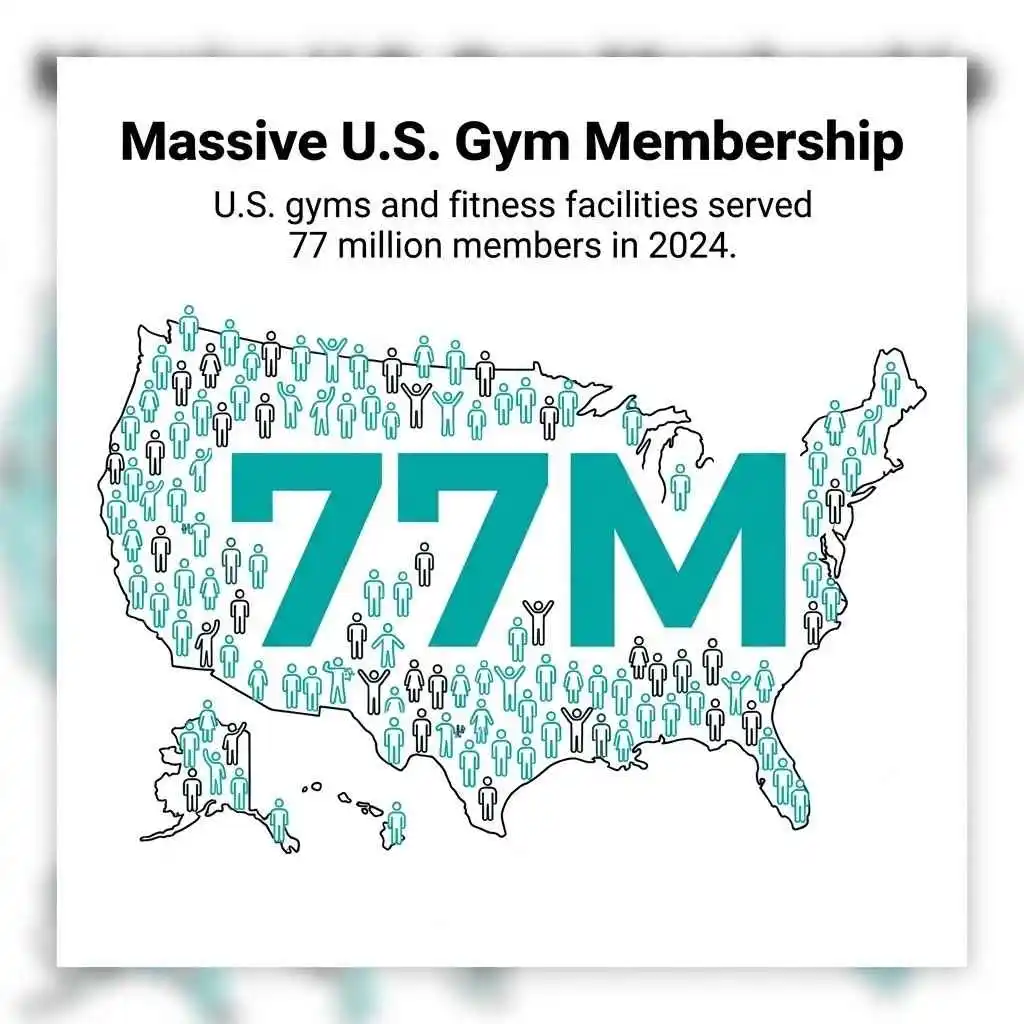
Health club partnerships remain the most common starting point for personal trainers because the client overlap is direct. U.S. gyms and fitness facilities served 77 million members in 2024, creating a large pool of potential clients who have already demonstrated their commitment to fitness by purchasing memberships.
Gym partnerships take several forms. The traditional model involves renting floor space and paying a monthly fee or revenue share in exchange for access to the facility and its member base.
Preferred partner arrangements give you referral priority from gym staff without requiring exclusivity. Some facilities offer commission-based models where you pay a percentage of client revenue in exchange for leads and facility use.
Always get the key details in writing: client ownership, cancellation policies, and what happens if you leave or the facility changes management. Without these in a formal agreement, disputes over client lists and payment terms are common.
Gym staff won’t refer to you automatically just because you rent space. Build reasons for them to recommend you specifically.
Offer value to staff first. Run a free workshop for new members on proper form for commonly misused equipment. Train front-desk staff to spot members who would benefit from professional coaching. Create a simple referral process that doesn’t add work for them.
Develop a clear specialization that makes you the obvious choice for specific member needs. If you’re the only trainer in the facility who works with post-rehab clients or prenatal fitness, staff have clear guidance on when to mention your name. Defining your personal training niche makes you more referable, generic positioning doesn’t stick when a member asks for a recommendation.
Track referral sources and acknowledge them. When a front-desk employee sends you a new client, thank them personally and let them know the client signed up. Small recognition reinforces the behavior and increases future referrals.
Corporate wellness partnerships connect personal trainers with companies looking to improve employee health, reduce insurance costs, and enhance workplace culture.
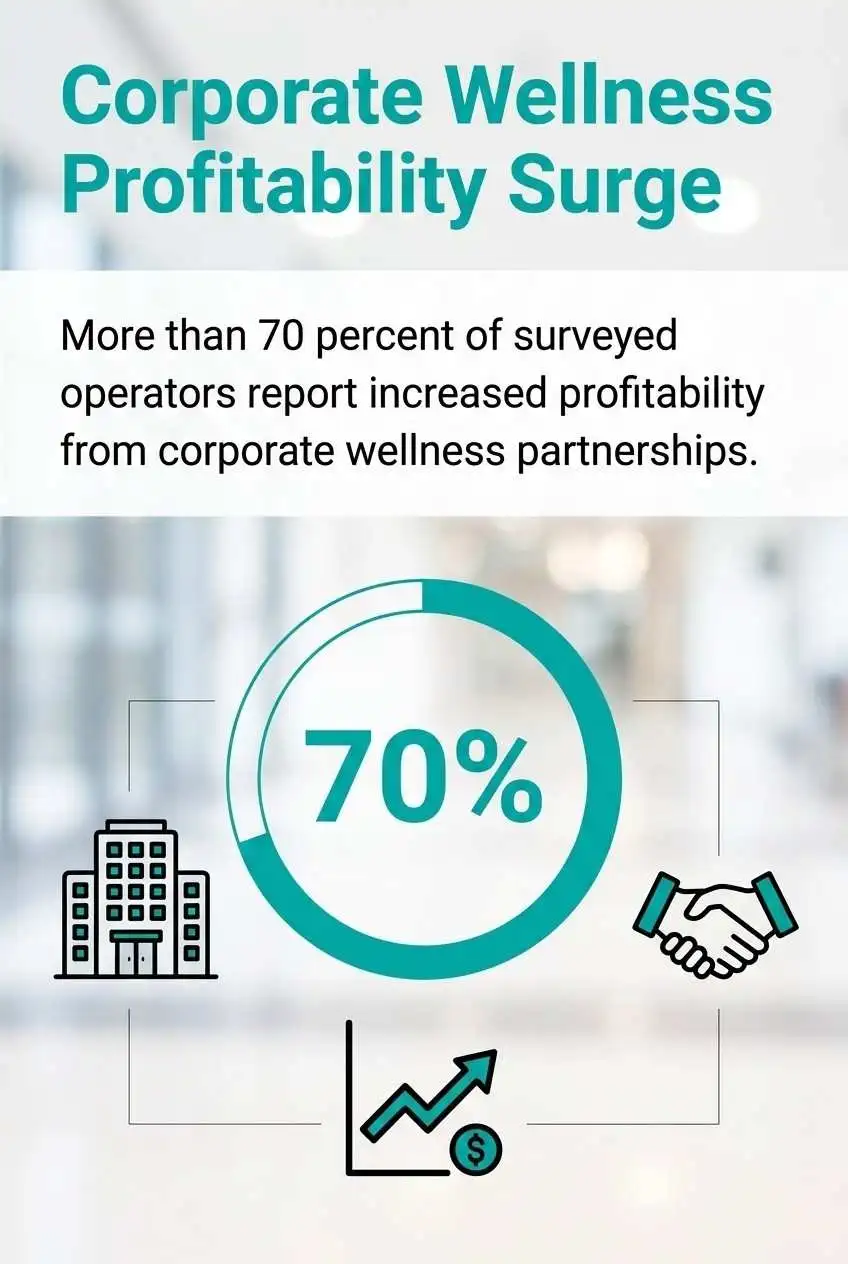
More than 70% of surveyed operators report increased profitability from corporate wellness partnerships, making this one of the highest-value categories in fitness business development.
These partnerships typically involve on-site or virtual fitness programming, health assessments, lunch-and-learn sessions, or discounted personal training packages for employees.
Companies pay for the service as part of their benefits package, which means you’re billing the organization rather than chasing individual payments.
With the Global Wellness Institute projecting 7.6% average annual growth in the wellness sector through 2029, corporate programs are among the most reliable growth channels available to fitness professionals.
Start with companies between 50 and 500 employees. Businesses this size recognize the value of wellness benefits but often lack formal programs because they don’t have dedicated HR resources to build them. You’re solving a real problem for decision-makers who want competitive benefits without hiring additional staff.
Research the company before you reach out. Check whether they mention wellness initiatives on their website or social media. Look for recent growth, new office openings, or hiring announcements that signal investment in employee experience.
Frame your pitch around business outcomes, not fitness features. HR directors care about employee retention, reduced absenteeism, and improved morale. Instead of “I offer group fitness classes,” say “I run 12-week workplace fitness programs that improve team cohesion and reduce health-related absenteeism.”
Offer a pilot program with clear metrics. Propose a one-month trial with health assessments and two lunch-hour fitness sessions. Measure participation rates and collect employee feedback, then use those results to negotiate a longer-term contract. This approach is one of the most effective ways to grow your fitness business beyond one-to-one client work.
Cross-referral partnerships with nutritionists, registered dietitians, physical therapists, chiropractors, and mental health professionals create comprehensive support networks for clients with complex health goals. These relationships work because health improvement rarely fits a single-service category.
Someone recovering from injury needs both rehabilitation and strength training. Someone addressing metabolic health needs both nutrition counseling and exercise programming.
The best cross-referral relationships develop when professionals understand each other’s scope of practice and refer appropriately. Personal trainers refer to registered dietitians for medical nutrition therapy and specific dietary prescriptions.
Dietitians refer to personal trainers for exercise program design and coaching. Neither attempts to replace the other.
Build these relationships by reaching out to practitioners whose approach aligns with your training philosophy. If you emphasize sustainable behavior change, partner with dietitians who take the same long-term view rather than those who prescribe restrictive meal plans.
If you work primarily with older adults managing chronic conditions, connect with physical therapists who specialize in geriatric rehabilitation.
Create referral protocols that clarify when and how you’ll refer to each other. Define what client situations trigger a referral: a trainer might refer a client to a physical therapist when joint pain appears during movement; a chiropractor might refer a patient to a trainer when the primary issue is strength imbalance rather than acute pain.
Agree on communication standards upfront. Will you share progress notes? How will you handle clients who see both professionals simultaneously? Put these expectations in writing, even if the agreement is just a confirmed email exchange rather than a formal contract.
A smooth referral experience for the client depends on clear coordination. That’s why having a strong client onboarding process matters. Referred clients arriving from healthcare providers often need a structured first experience to build confidence.
Never pay licensed healthcare providers per referral. Paying chiropractors or physical therapists for client referrals can violate state healthcare regulations and professional ethics codes. The value in these partnerships comes from improved client outcomes and mutual business growth, not direct financial exchange.
Respect scope of practice rigorously. Personal trainers are not licensed to diagnose injuries, prescribe rehabilitation protocols, or provide medical nutrition therapy.
Healthcare professionals you partner with need confidence that you’ll stay within your competencies and refer appropriately when clients need services beyond your scope. Delivering on that consistently is what keeps personal training clients motivated and engaged long-term.
Strategic partnerships pair your personal training services with complementary businesses that serve the same target client but don’t compete directly. Yoga studios, Pilates facilities, sports performance centers, and specialty fitness brands all create opportunities that benefit both parties.
These partnerships work because they solve a real problem for clients who need services both businesses provide. A yoga instructor can teach flexibility and mindfulness, but may not design progressive strength training programs.
A personal trainer can build muscle and metabolic conditioning, but might not address mobility work the same way a dedicated yoga practice does. When these two professionals refer to each other, they’re genuinely improving client outcomes.
The strongest partnerships involve regular communication and mutual understanding of each other’s methods. If you’re referring clients to a physical therapist, understand their rehabilitation protocols well enough to explain the referral. If a sports massage therapist is sending clients to you, they need confidence your programming won’t undo their recovery work.
Formalize the referral process. Create a simple one-page overview that either business can give to clients, explaining what the other service provides, why it complements their current program, and how to get started. Vague recommendations rarely convert. Specific handoffs with clear next steps do.
Run joint events or promotions that introduce each business’s clients to the other service. A personal trainer and a meal prep service could co-host a nutrition and training workshop. A sports performance facility and a recovery spa could offer combined packages for athletes preparing for competition. These collaborations demonstrate the value of both services simultaneously.
Share content and extend each other’s reach. Guest post on your partner’s blog, appear on their podcast, or collaborate on social media. These activities build credibility for both parties and introduce your expertise to audiences who already trust your partner. Pairing this with a solid fitness email marketing strategy means joint workshop leads don’t go cold, you have a system to nurture them after the event.
Track referrals in both directions and address imbalances early. If you’re sending five clients per month to a partner but receiving none in return, the partnership isn’t working. Have a direct conversation about whether the relationship still makes sense or if adjustments are needed.
If you want to reach a broader audience alongside these partnerships, promoting your fitness business through multiple complementary channels reinforces the credibility your partners are already building for you.
Academic partnerships connect personal trainers with universities, community colleges, and certification organizations that need practical fitness professionals to support their programs. These relationships provide credibility, professional development opportunities, and access to students who may become clients, employees, or referral sources.
Universities with exercise science, kinesiology, or health promotion programs often need fitness professionals to supervise student internships, give guest lectures on practical training topics, or provide real-world case studies for coursework. Community colleges offering personal training certificates may hire experienced trainers as adjunct instructors or practical skills assessors.
Certification bodies like NASM and ACSM maintain networks of preferred partners, continuing education providers, and affiliated professionals. These relationships often include referral opportunities, professional development resources, and credibility benefits from association with respected industry names.
Contact academic program directors at local colleges with clear value propositions. Offer to speak to classes about career paths in personal training, provide facility tours for students learning about fitness business operations, or supervise internships that give them hands-on coaching experience.
Document your professional credentials and business track record before approaching academic institutions. Program directors want partners who demonstrate industry best practices and can model professional standards for students. Keep certifications current, maintain liability insurance, and have clear business processes in place.
Create structured learning experiences for any students you supervise. Give them specific projects beyond basic shadowing, for example fitness assessments, program design for specific populations, or client progress analysis. Quality educational experiences turn students into advocates who recommend your business to professors and peers.
Partnerships reduce client acquisition costs, improve client quality, and create sustainable revenue that doesn’t require constant marketing effort. To get those results, treat partnership development as a core business activity, not something you do between client sessions.
Dedicate specific time to it. Block two hours per week for partnership activities like meeting potential partners, maintaining existing relationships, or creating resources that make referrals easier for the people sending you clients.
Start with two or three partnership types rather than attempting all categories simultaneously. Build one successful partnership, document what worked, then replicate that process. Spreading effort across too many partnership types dilutes your effectiveness.
Track partnership performance with the same rigor you apply to client results. Maintain a simple record showing which partnerships generate clients, what the average lifetime value is from each source, and how much time you invest in each relationship. This data tells you which partnerships deserve more attention and which aren’t worth maintaining.
Create partnership marketing materials that make referrals effortless. One-page service overviews, clear pricing information, and simple referral forms give partners something concrete to hand to clients. The easier you make it to refer to you, the more often it happens.
Partnership-sourced clients also tend to stay longer. According to research, U.S. gym members engage for an average of 15 to 24.9 months, but clients who arrive through trusted referrals often exceed that because they start with clearer goals and stronger commitment.
Building a referral program that formalizes your partnership approach turns one-off introductions into a repeatable system. Pair that with clear personal training business goals for each quarter, and you’ll be able to measure whether your partnership activity is actually moving the business forward.
Start by identifying businesses that serve the same type of client you work with: gyms, physio clinics, nutritionists, yoga studios, or local employers. Reach out with a clear value proposition: explain what you offer, who your clients are, and what the referring party gains from sending clients your way. Formalize the relationship with a simple written agreement covering referral expectations and communication standards.
For non-licensed partners such as gym staff or wellness brands, a referral fee arrangement can work if it’s structured correctly and disclosed. For licensed healthcare providers like physical therapists, chiropractors, registered dietitians, paying per referral can violate state regulations and professional ethics codes. With healthcare professionals, the partnership value should come from improved client outcomes and mutual professional growth, not direct financial exchange per referral.
The most effective partners are businesses that serve clients who need fitness support but don’t provide it themselves. Health clubs and gyms are the most accessible starting point. Physical therapists, chiropractors, and registered dietitians make strong cross-referral partners. Corporate employers, yoga studios, sports performance centers, and meal prep services all create natural overlaps depending on your niche and target client.
Lead with value, not a request. Before asking for referrals, identify something genuinely useful you can offer: a free workshop for their clients, a resource their patients would benefit from, or a complementary service that improves their outcomes. Once you’ve demonstrated value, a referral conversation is much easier to have. Follow up with a simple written outline of how the referral process would work so both parties are clear from the start.
Consistency and reciprocity. Partners keep referring when they trust you to look after the clients they send and when they feel the relationship is genuinely mutual. Track referrals in both directions, acknowledge every introduction your partners make, and check in regularly even when you don’t have a specific business reason to. Partnerships built on professional respect and genuine follow-through outlast those built purely on convenience.
Partnerships bring you the right clients. Referred leads arrive pre-qualified, with clearer goals and stronger initial commitment. But converting those leads into long-term clients depends on what happens after the introduction. The quality of your onboarding, your communication, and your program delivery determines whether a partnership referral becomes a retained client or a one-time inquiry.
If you’re managing hybrid or online clients coming in through corporate wellness programs, cross-referral networks, or gym partnerships, having the right systems in place makes the difference. PT Distinction gives you everything you need to onboard partnership leads professionally, deliver programs, track progress, and keep clients engaged, all in one place.
To explore all your options for bringing in new clients alongside your partnership strategy, this guide to get more personal training clients covers the full range of acquisition channels worth building.
Ready to put better systems behind the partnerships you’re building? Start your 1-Month free trial and see why thousands of trainers worldwide trust PT Distinction to power their coaching business.
Ready to join the family?
We'll get you up and running in no time. Start with our zero-risk free trial and build your personal training empire today.