


Referral programs work because satisfied clients naturally want to share their success with friends. They deliver higher-quality leads, better retention rates, and lower acquisition costs than traditional marketing.
A well-structured personal trainer referral program rewards existing clients for bringing in new members, whilst making the process simple and trackable.
The key is building a dual-sided system. This means both the referring client and the new member receive rewards. It feels generous and fair, which drives participation.
You'll also need clear tracking mechanisms. Modern fitness software can automate attribution and reward distribution. This removes the administrative burden and ensures every referral gets counted.
Personal training businesses thrive on trust and word-of-mouth marketing. Your clients already talk about their training sessions. A referral program simply structures those conversations and incentivises action.
A personal trainer referral program is a structured system that rewards existing clients for bringing new members to your fitness business. It transforms satisfied clients into active advocates.
The program typically includes clear rewards for both parties. The referring client might receive a free session or a discount. The new client gets a welcome incentive to reduce their initial commitment risk.
These programs work because they leverage established trust. New clients are more likely to sign up when recommended by someone they know personally. The social proof is powerful.
Most personal training referral programs fall into two categories: single-sided and dual-sided. Single-sided programs reward only the referrer. Dual-sided programs reward both existing clients and new members.
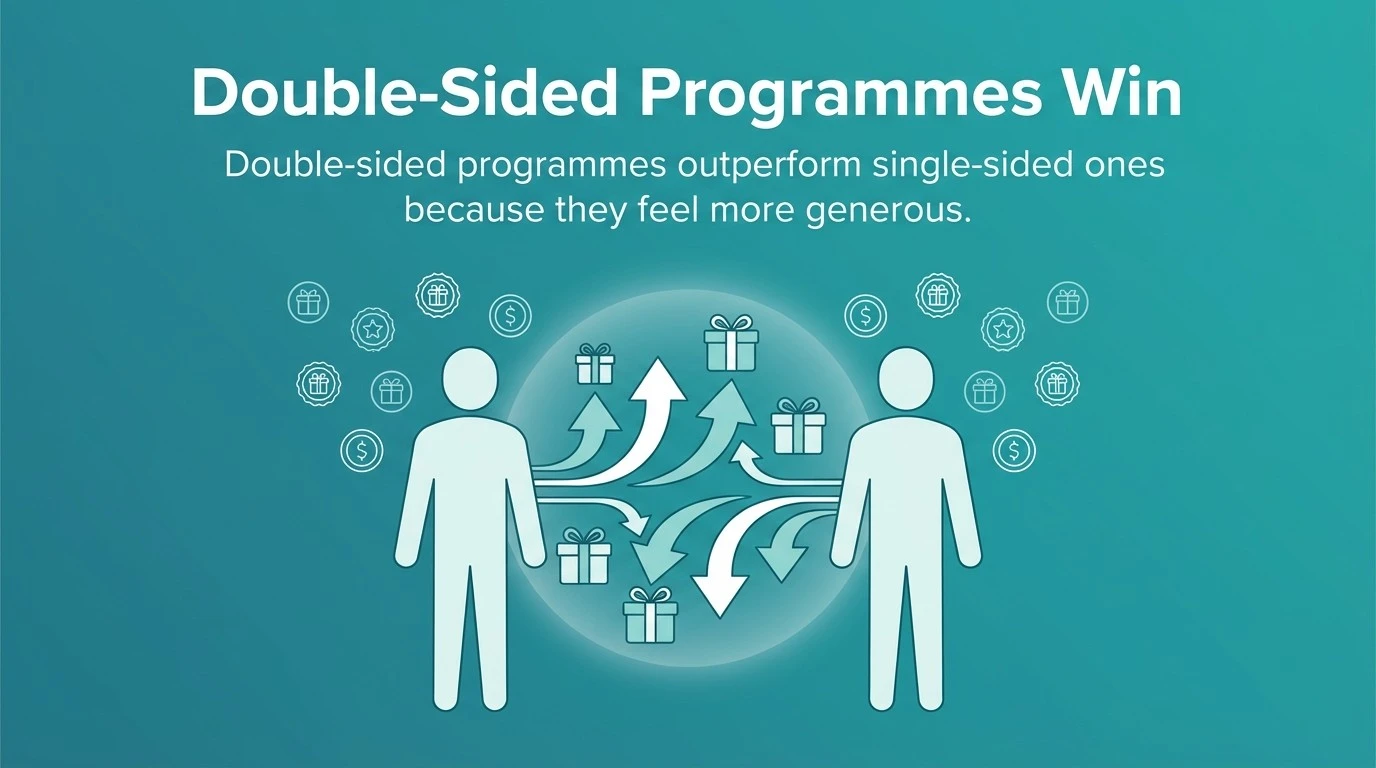
Double-sided referral programs outperform single-sided ones because they feel more generous. They also reduce friction for new clients considering personal training services.
Referral programs tap into existing relationships. Your clients already discuss their fitness progress with friends and family. A referral program gives them a reason to formalise that conversation.
Trust drives the effectiveness. New clients referred by existing members arrive with built-in credibility. They've heard firsthand accounts of your training methods and results.
The acquisition cost is significantly lower than paid advertising. You're rewarding clients for actions they might take anyway. The cost per new client drops whilst quality increases.
Referred clients typically stay longer than those acquired through other marketing channels. They start with realistic expectations set by their referring friend.
These new clients also integrate more quickly into your fitness community. They often already know someone in your client base. This social connection improves adherence and reduces early dropout.
The referring client also benefits. Their friend joining creates accountability and shared experiences. Both clients are more likely to maintain consistent training schedules.
Traditional marketing requires ongoing investment in advertising platforms. Referral programs convert satisfied clients into a sustainable acquisition channel.
The rewards you offer typically cost less than paid advertising. A free session or discount is minimal compared to the lifetime value of a new client.
Your marketing budget stretches further. Each successful referral strengthens your relationship with the existing client while bringing in new revenue.
Different program structures suit different fitness businesses. Your choice depends on your pricing model, client demographics, and business goals.
The most common approaches include member-to-member referrals, time-based campaigns, and automated digital referral systems. Each has distinct advantages.
These programs reward existing clients for bringing in friends, family, or colleagues. They're the foundation of most personal training referral systems.
The structure is straightforward. An existing client refers someone new. Once that person signs up and completes their first payment, both receive rewards.
Rewards can include free personal training sessions, class packs, or account credits. The key is making the incentive valuable enough to motivate action.
Time-limited campaigns create urgency. A "Bring-a-Friend Month" or seasonal promotion encourages immediate action rather than procrastination.
These campaigns work well around the New Year, summer, or other high-motivation periods. They capitalize on existing fitness trends and resolutions.
The limited timeframe also makes tracking and measurement cleaner. You can clearly assess campaign performance and adjust future promotions accordingly.
Modern personal training software includes built-in referral tools. These systems provide in-app banners, shareable links, and automated tracking.
Referral workflows in fitness apps simplify the entire process for both trainers and clients. Clients can share unique referral links through social media or messaging apps.
The automation handles attribution automatically. You'll know exactly which client generated each referral without manual tracking spreadsheets.
Setting up an effective referral program requires planning and clear systems. The process becomes manageable when broken into specific steps.
Start by defining your goals and structure. Then implement tracking systems before promoting to clients.
Establish specific targets for your referral program. How many new clients do you want to acquire monthly? What's your acceptable cost per acquisition?
Clear goals guide every other decision. They determine reward levels, promotional intensity, and success metrics.
Consider both short-term and long-term objectives. Initial goals might focus on participation rates. Later goals can emphasize conversion quality and client retention.
Complexity kills participation. Your referral program needs straightforward rules that clients understand immediately.
Define what constitutes a valid referral. Does the new client need to complete one session or purchase a package? When do rewards get distributed?
Document everything in writing. Create a simple one-page explanation that answers common questions before they're asked.
Accurate tracking prevents disputes and ensures proper reward distribution. Manual systems work for small client bases but become unmanageable as you grow.
Fitness business software automates this entirely. Systems track referral sources, conversions, and reward eligibility without spreadsheets.
Whatever system you choose, test it thoroughly before launch. Verify that referrals are attributed correctly and rewards trigger at the right time.
If you employ other trainers or reception staff, they need clear talking points. Everyone should explain the referral program consistently.
Create a brief script covering the program's benefits and the participation steps. Staff should mention the program naturally during client conversations.
Regular reminders keep the program top of mind. Brief team meetings can review referral program performance and share success stories.
The rewards you offer determine participation rates and program costs. Balance generosity with profitability.
Effective rewards feel valuable to clients whilst maintaining healthy business margins. The best incentives also introduce clients to premium services they might purchase later.
Cash-equivalent rewards appeal to membership-based gyms and training studios. Account credits apply toward future training sessions or monthly fees.
These rewards offer flexibility. Clients can use credits however they prefer within your service offerings.
The administrative simplicity is appealing. Credits apply automatically within your billing system without physical rewards to manage.
Complimentary personal training sessions serve dual purposes. They reward the referrer whilst showcasing your premium services.
Free sessions often convert into ongoing purchases. Clients experience the value firsthand and continue beyond the initial reward.
Class packs work similarly for group fitness settings. A free three-class pass introduces clients to new training formats they might adopt permanently.
Physical products like branded hoodies, water bottles, or gym bags create tangible rewards. They also serve as walking advertisements for your business.
Quality merchandise reinforces your brand identity. Clients wearing your branded apparel generate additional visibility and conversations.
The cost per item needs careful consideration. Ensure retail rewards don't exceed the lifetime value of acquired clients.
Single-sided programs reward only the referring client. They're simpler to manage but less effective at converting new members.
Dual-sided programs provide incentives to both parties. The new client receives a discount or a free session, reducing their hesitation to sign up.
The incremental cost of dual-sided rewards is justified by the higher conversion rates they achieve. New clients are more likely to commit when they also receive value.
Pick a referral reward that matches your coaching model and is easy to fulfil. Here are five options, what they are best for, and how complex they are to run.
Best for: membership based online coaching
Offer a fixed credit or one free month when the referred client becomes a paying customer.
Best practice: only apply credit after the first payment clears.
Best for: in person or hybrid personal training
A free session can feel high value, but it adds scheduling and delivery workload.
Best practice: cap rewards to protect your calendar.
Best for: brand building and community
Merch or small products can drive word of mouth, but add fulfilment and shipping admin.
Best practice: keep items lightweight and low cost.
Best for: studios and group training
Free classes are simple to deliver and encourage attendance.
Best practice: add an expiry date so clients use them.
Best for: new client acquisition
A referral only starter discount can lift conversions, but overuse can harm pricing power.
Best practice: make it time limited and referral only.
Even excellent referral programs fail without proper promotion. Clients need regular reminders and easy ways to participate.
Multi-channel promotion ensures maximum visibility. Combine in-person mentions with digital communications for comprehensive coverage.
Personal conversations remain the most effective promotion method. Mention your referral program naturally during training sessions.
Focus on clients who express high satisfaction. They're most likely to refer friends and appreciate the opportunity to share.
Timing matters significantly. Bring up referrals after clients achieve visible results or hit meaningful milestones. Their enthusiasm is highest in these moments.
Regular email reminders keep your referral program top of mind. Include program details in monthly newsletters and client communications.
SMS messages work well for time-limited campaigns. A brief text about "Bring-a-Friend Month" reaches clients immediately and drives quick action.
Personalized messages perform better than generic broadcasts. Reference specific achievements and suggest friends who might benefit from similar training.
Social platforms amplify the reach of your referral program beyond your existing client base. Encourage clients to share their referral links on personal profiles.
Make sharing effortless. Provide pre-written social media posts that clients can customise and publish immediately.
Instagram stories and Facebook posts reach friends naturally. The social proof is authentic because it comes from trusted connections.
Consider featuring client success stories that mention referral rewards. These posts demonstrate program legitimacy whilst celebrating achievements.
Visible signage in your training space serves as a constant reminder. Posters near reception or in changing rooms catch clients at key moments.
Business cards with referral program details give clients something tangible to share. They can hand cards directly to friends during conversations about fitness.
Program brochures work well for detailed explanations. Clients can review terms and benefits at their convenience.
Measurement separates effective programs from wasted effort. You need clear metrics to assess performance and identify opportunities for improvement.
Focus on both participation rates and conversion quality. High referral numbers mean nothing if new clients don't convert or retain.
Track participation rate first. What percentage of existing clients actively refer new members? Low participation suggests communication or incentive problems.
Conversion rate measures referral quality. How many referred prospects actually sign up? This metric indicates whether your target audience and offer align.
Retention comparison is crucial. Do referred clients stay longer than those acquired through other channels? This validates your program's long-term value.
Cost per acquisition should decrease with referral programs. Calculate total reward costs divided by the new clients acquired. Compare this to paid advertising costs.
Manual tracking becomes impossible as your fitness business grows. Spreadsheets miss attributions and create an administrative burden.
Dedicated fitness software includes referral tracking modules. These systems automatically attribute new signups to referring clients without manual intervention.
Real-time dashboards show program performance instantly. You can identify top referrers and adjust rewards based on actual data.
Automated reward distribution ensures timely incentive delivery. Clients receive credits or notifications immediately after a referral converts.
Regular program reviews identify optimisation opportunities. Monthly analysis reveals patterns and problem areas.
If participation is low, test different reward levels or promotional messages. Small changes in incentive structure can dramatically affect engagement.
Poor conversion rates might indicate mismatches in targeting. Your existing clients might be referring inappropriate prospects. Clarify your ideal client profile in promotional materials.
Lead follow-up systems ensure referred prospects don't slip through administrative cracks. Quick responses to referral enquiries significantly improve conversion rates.
Program mechanics matter, but execution determines actual results. These proven practices separate high-performing referral programs from underperforming ones.
Consistency and client satisfaction form the foundation. Everything else builds on these fundamentals.
Referral programs only work when clients genuinely love your services. No incentive compensates for mediocre training or poor customer service.
Focus relentlessly on client results and satisfaction. Client satisfaction drives natural word-of-mouth marketing that referral programs amplify.
Regular feedback collection identifies improvement opportunities before clients become dissatisfied. Fix problems immediately to maintain referral-worthy service quality.
Don't wait until you're desperate for new clients. Launch referral programs early in your client acquisition roadmap, such as week three of an eight-week onboarding plan.
Early introduction normalises referrals within your business culture. New clients understand immediately that referrals are expected and rewarded.
Existing clients receive clear signals that you value their network. This builds loyalty whilst simultaneously opening acquisition channels.
Awkward referral requests damage client relationships. Train yourself and staff to mention programs conversationally during appropriate moments.
Tie referral conversations to client achievements. "You've made incredible progress. Do you have friends who'd benefit from similar training?"
Provide specific referral prompts rather than generic requests. "I work well with busy professionals juggling fitness and careers. Know anyone in that situation?"
Public recognition motivates continued participation. Feature top referrers in newsletters or social media posts with their permission.
Exclusive rewards for multiple referrals create a sense of gamification. Tiered benefits encourage clients to refer repeatedly rather than just once.
Personal thank-you messages strengthen relationships. Handwritten notes or personal calls for significant referrers demonstrate genuine appreciation.
Friction kills referral participation. Every additional step dramatically reduces completion rates.
One-click sharing links eliminate barriers. Clients should share referral information in seconds without forms or complicated processes.
Clear instructions prevent confusion. Simple visual guides showing exactly how to refer remove uncertainty and hesitation.
Successful referral programs don’t rely on spreadsheets or complicated systems. They work when referring a friend feels effortless for your clients and simple for you to manage.
PT Distinction helps you build that seamless process through automated marketing programs, targeted communications, and easy reward delivery, so referrals happen naturally as part of the client journey, not as an extra task to remember.
Instead of manually chasing recommendations, you create an environment where satisfied clients are consistently encouraged and supported to share their results with others.
Ready to turn your happiest clients into your most effective growth channel? Start your free trial of PT Distinction today and see how streamlined client management can power a referral process that runs smoothly in the background while you focus on coaching.
Ready to join the family?
We'll get you up and running in no time. Start with our zero-risk free trial and build your personal training empire today.