


New personal trainers often struggle to land their first clients. But the path from zero to five paying clients is simpler than you think.
This guide outlines proven strategies that work now. We'll cover social media tactics, referral programs, free trials, and more.
You'll learn which methods deliver results fastest. And how to implement each strategy without wasting time on tactics that don't convert.
By the end, you'll have a clear action plan. One that turns your certification into a thriving fitness business with actual paying clients.
Let's start with the fastest way to reach potential clients where they already spend their time.
Social media puts you directly in front of potential clients. It's where people look for fitness advice and connect with trainers.
Start with one platform instead of spreading yourself thin. Instagram works well for visual content. Facebook groups help you join local fitness communities.
Post consistently about specific fitness topics. Share workout tips, nutrition advice, or form corrections. Make your content helpful, not sales-focused.
Focus on solving real problems your target audience faces. Answer questions about common workout mistakes. Show proper exercise form through short videos.
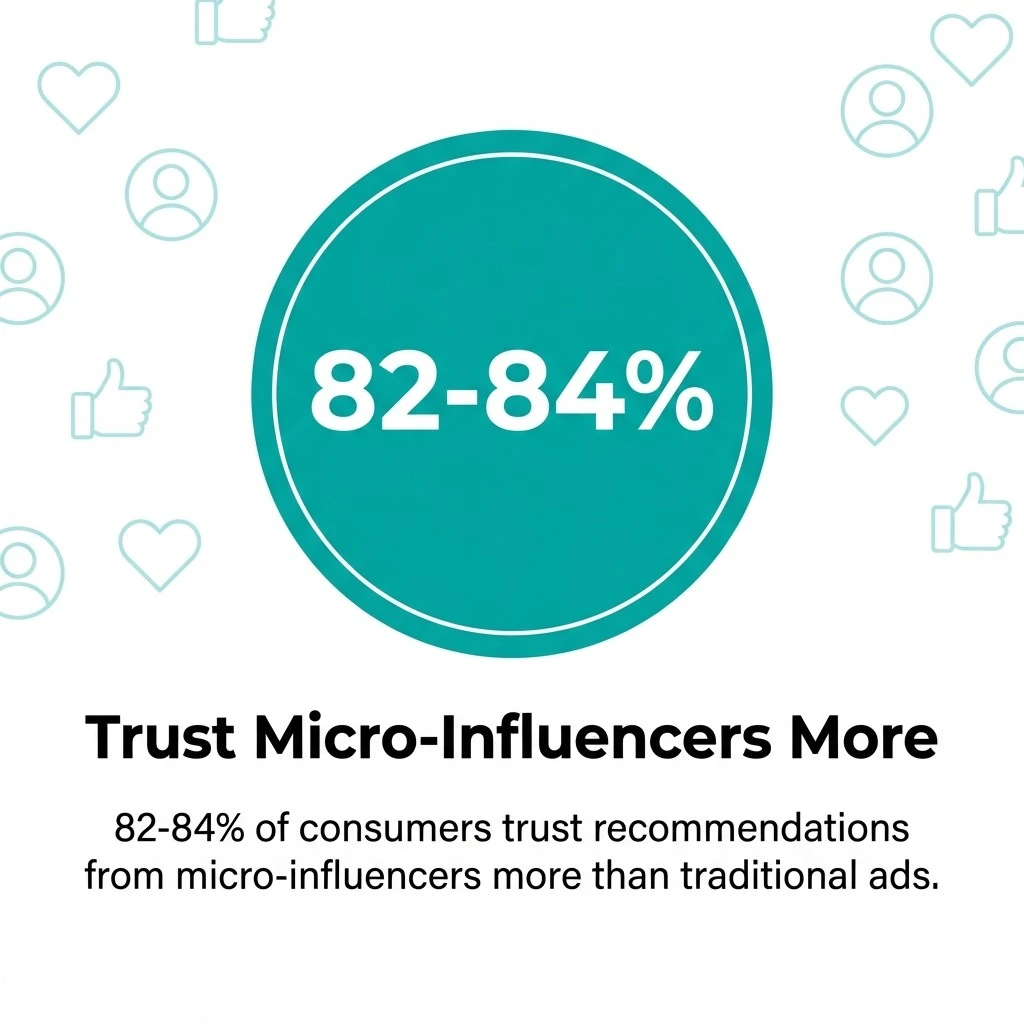
Research shows that 82-84% of consumers trust recommendations from micro-influencers more than traditional ads. This means authentic, helpful content beats polished marketing messages.
Share your training philosophy through posts. Explain why you teach certain movements or prioritize specific training methods.
Reply to every comment on your posts. Answer questions in fitness groups where your ideal clients hang out.
Don't just post and disappear. Social media marketing requires actual conversation. Spend 30 minutes daily responding to comments and messages.

Follow local fitness enthusiasts and gym-goers. Comment on their workout posts with genuine encouragement or helpful tips.
This builds relationships before you ever ask for business. And it positions you as an approachable personal trainer who actually cares.
Your existing network is your fastest path to new clients. Friends, family, and former coworkers can connect you with people who need training.
But you need to make asking easy. Most people want to help but don't know how to refer you effectively.
Create a clear incentive structure. Offer one free session for every successful referral. Or provide a discount on their next training package.
Give your current contacts (even if they're not clients yet) specific language to use. Write a short script they can text or email to friends.
Something like: "My friend [Your Name] just started personal training. They're offering free consultations this month. Want me to connect you?"
Timing matters with referral requests. Don't ask random people who barely know you. Wait until someone compliments your expertise or asks for fitness advice.
That's your opening to say: "I'm building my client base right now. Do you know anyone looking for a personal trainer?"
Track your referrals in a simple spreadsheet. Note who referred whom and what incentive you promised. Follow through on every reward.
Word-of-mouth marketing works because people trust recommendations from friends. Your job is to make it easy and worthwhile to give those recommendations.
Free trials remove the risk for potential clients. They can experience your training style without committing.
One complimentary session lets prospects see your expertise firsthand. It builds trust faster than any social media post or advertisement.
Limit your free sessions to a specific timeframe. Offer them during your first month of building your client base. This creates urgency and prevents endless free work.
Make the free session valuable. Don't just chat about fitness goals. Put prospects through an actual workout that showcases your coaching ability.
Include a movement assessment at the start. Show them mobility issues or strength imbalances they didn't know they had. This demonstrates your expertise beyond basic exercise instruction.
End each free session with a clear next step. Have your training packages and pricing ready to discuss.
Don't pressure prospects during the workout. Save the business conversation for the final 10 minutes. Ask what they thought of the session first.
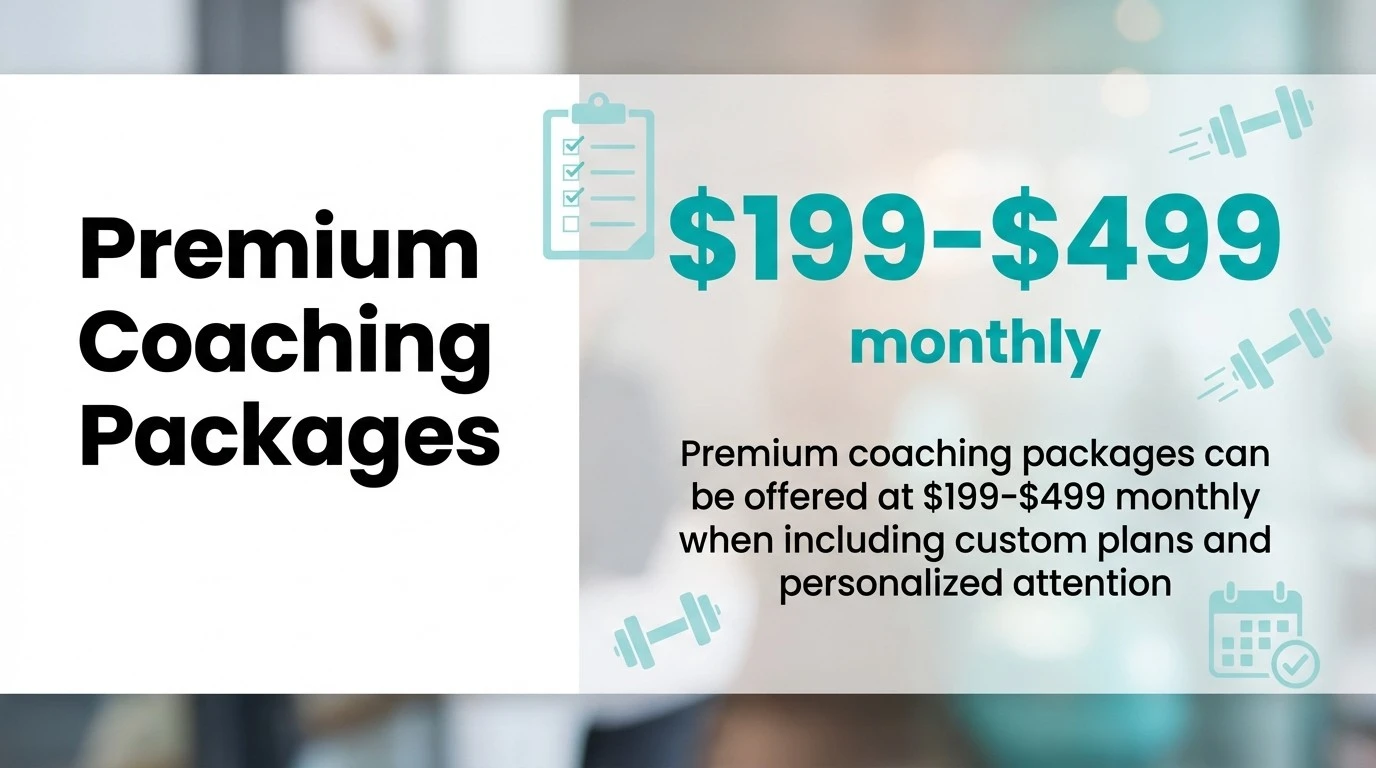
Then present your package options. Research indicates you can offer premium coaching packages at $199-$499 monthly when you include custom plans and personalized attention.
Give prospects 48 hours to decide. Follow up with a friendly text, checking if they have questions. Don't let leads go cold after a great session.
Your digital presence works while you sleep. It answers questions for potential clients before they ever contact you.
Start with the basics. Most personal trainers need just three things: a simple website, a professional email address, and consistent social profiles.
Your fitness website doesn't need to be fancy. It needs to answer key questions: Who are you? What services do you offer? How can people contact you?
Include your training philosophy and certifications. List your packages and prices clearly. Add a contact form or booking calendar.
Use your real photos, not stock images. Show yourself training clients or demonstrating exercises. Authenticity matters more than polish.
Start collecting email addresses from day one. Offer a free workout plan or nutrition guide in exchange for email signups.
Email marketing keeps you connected with prospects who aren't ready to commit yet. Send weekly tips, success stories, or training advice.
This nurtures relationships with your email list over time. When someone decides they're ready for a personal trainer, you'll be top of mind.
Use a simple email service like Mailchimp or MailerLite to manage your list. Set up an automated welcome sequence that introduces your training approach.
General personal trainers compete with hundreds of other trainers. Specialists attract clients looking for exactly what they offer.
Your niche is the specific type of client you serve best. It's the problem you solve better than anyone else in your area.
When you are starting out, you may not want to focus on specific clients yet, but keep in mind that as you gain more experience, it’s worth identifying who you can help most and who you like to work with best.
Think about who you genuinely enjoy training. Maybe you love working with busy professionals who need efficient 30-minute workouts. Or you excel at helping new moms rebuild strength postpartum.
Your target audience should be specific enough to create focused marketing. "People who want to lose weight" is too broad. "Women over 40 looking to build strength without spending hours at the gym" is more effective.
Consider your own fitness journey. The challenges you've overcome make you relatable to others facing similar struggles.
Update all your social media bios to reflect your niche. Instead of "Certified Personal Trainer," try "Helping busy professionals build strength in 3 workouts per week."
Create content specifically for your chosen audience. If you specialize in training runners, post about improving running form and preventing common injuries.
This focused approach makes your marketing messages more effective. Potential clients immediately know if you're the right fit for them.
Defining your niche doesn't mean turning away other clients. It means attracting more of your ideal clients through clear, targeted messaging.
Other health and wellness professionals serve the same people you want to reach. Partnering with them creates referral opportunities for everyone.
Physical therapists, chiropractors, and massage therapists all work with clients who could benefit from personal training. These partnerships benefit both businesses.
Visit local wellness businesses in person. Introduce yourself to the owners or practitioners. Explain what you do and ask about their services.
Don't immediately ask for referrals. Build the relationship first. Offer to refer your future clients to their business.
Leave professional business cards with your contact info and specialization. Make them easy to hand out to patients who ask about fitness guidance.
Propose specific ways to work together. Offer free movement screenings at their office once a month. Co-host a workshop on injury prevention or strength training basics.
Share their content on social media. Write testimonials for their services if you've used them. Give before you ask for anything in return.
Track which partnerships generate actual client referrals. Focus your time on relationships that produce results.
These local business connections supplement your other marketing efforts. They're especially valuable when you're just starting out with a limited client base.
Instagram is built for fitness content. The platform's visual nature showcases workout demonstrations and transformation results perfectly.
Focus your efforts here if you're only going to master one social media platform. The audience actively seeks fitness inspiration and training advice.
Aim for at least 4-5 posts per week. Mix educational content with motivation and behind-the-scenes glimpses of your training style.
Use Instagram Stories daily. Share quick workout tips, client wins (with permission), or your own training sessions. Stories keep you visible between feed posts.
Create Reels showing proper exercise form or quick workout circuits. These short videos get significantly more reach than static posts.
Search for location tags at local gyms and fitness facilities. Comment on posts from people in your area who share workout content.
Use local hashtags like #[YourCity]Fitness or #[YourCity]PersonalTrainer. This helps potential clients in your service area discover your content.
Respond to every DM and comment. Instagram rewards accounts that actively engage. Plus, many client relationships start with a simple comment thread.
Update your Instagram bio with a clear call to action. Include "DM me for a free consultation" or link to your booking page.
Social proof converts skeptical prospects into paying clients. Testimonials show that real people trust you and get results.
But you need testimonials before you have many clients. This seems like a catch-22 for new personal trainers.
Offer discounted training packages to your first few clients in exchange for detailed feedback. Make this clear upfront.
After 4-6 weeks of training, ask satisfied clients for a testimonial. Request specific feedback about their experience, not vague praise.
Ask questions like: "What specific results did you see?" or "How did training with me differ from your past gym experiences?"
Post testimonials on your website homepage. Once you have at least 5, create a dedicated page for these client success stories. Share them in Instagram posts and Stories. Include them in email signatures.
Ask clients to leave reviews on your Google Business Profile if you have one. Facebook reviews work, too, if you use a business page.
Video testimonials carry even more weight. Ask your most enthusiastic clients if they'd record a 30-second video sharing their experience.
Display client testimonials prominently across your marketing channels. They help address objections and build trust faster than anything you could say about yourself.
Certain times of year create natural surges in fitness interest. January brings New Year’s resolution seekers, while the approach of summer drives “beach body” goals.
Time your client acquisition efforts to match these motivation peaks. You'll reach people actively looking for a personal trainer.
January is prime time for new personal training clients. However, most quit within weeks due to a lack of guidance.
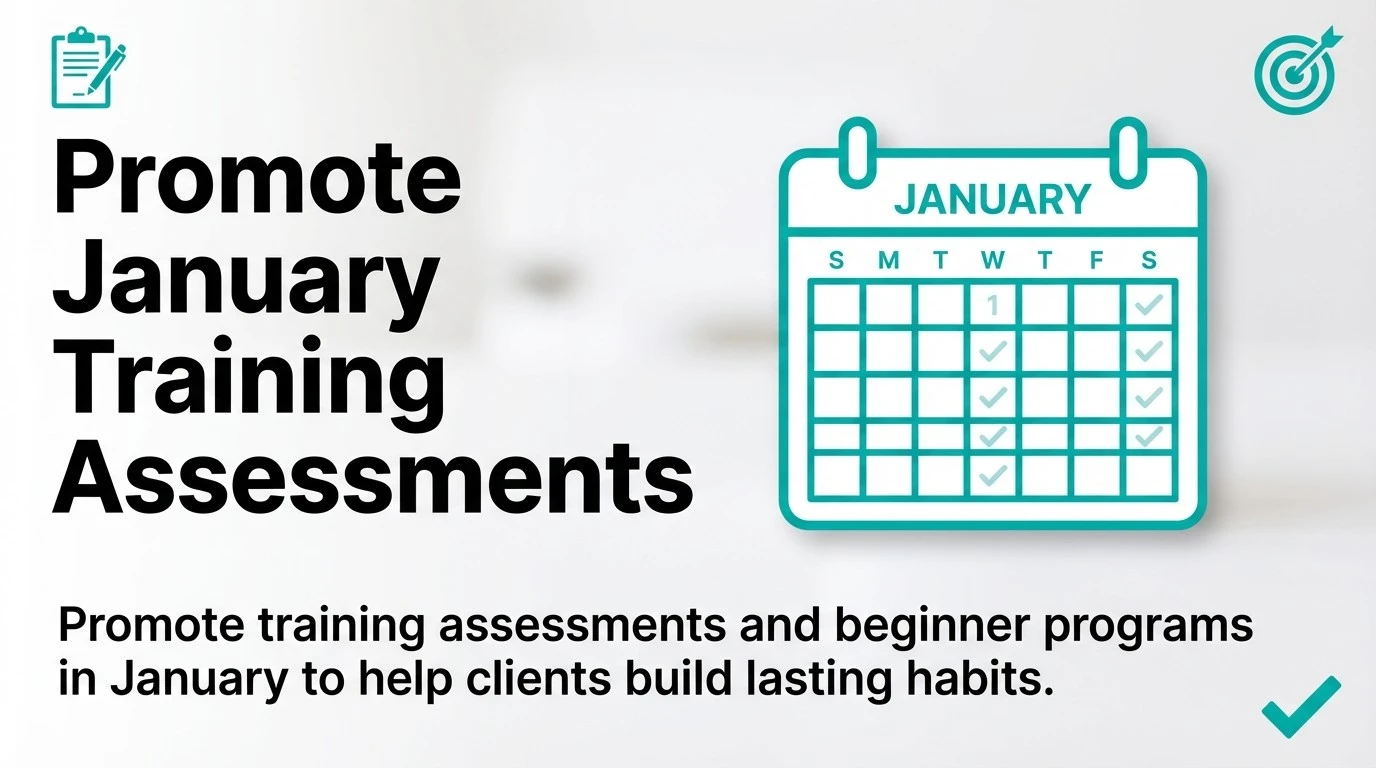
Position yourself as the solution to sustainable progress. Promote training assessments and beginner programs that help clients build lasting habits.
Offer a "New Year, New Habits" package. Focus on building consistency rather than extreme transformations.
Start your summer campaign in March or April, around the Easter binge. People want results before vacation season hits.
Market short-term focused programs like "8-Week Summer Strength" or "12-Week Beach Ready." These defined timelines appeal to goal-oriented clients.
Use your social media platforms to showcase outdoor training options. Spring weather motivates people to get active.
Online personal training removes geographic limitations. You can work with clients anywhere while building your local client base.
This flexibility helps you reach five clients faster. You're not limited to people who can meet you at a specific gym location.
Start with video calls via Zoom or a similar platform. You don't need fancy software to deliver effective online training sessions.
Send workout programs through email or shared documents. Use phone videos to check exercise form between sessions.
Price online training slightly lower than in-person sessions for the launch period. But recognize the value you provide through personalized program design and accountability.
Mention your online training availability in all your social media bios. Some prospects prefer virtual training due to schedule constraints.
Create content specifically about online training benefits. Address common concerns like whether virtual sessions are as effective.
Offer your free consultation either in-person or online. This flexibility removes barriers for busy potential clients.
An online training experience also makes you more valuable in today's fitness industry. It's a service many clients actively seek.
Not every potential client is ready to commit immediately. Email marketing keeps you connected until they're ready to start training.
Your email list becomes one of your most valuable business assets over time. These are people who’d already shown interest in your services.
Add a signup form to your website. Offer a free resource like "5 Workouts You Can Do Anywhere" in exchange for email addresses.
Collect emails at local events or health fairs. Bring a simple signup sheet offering fitness tips.
Ask for emails during free consultations. Even if prospects don't become immediate clients, you can stay in touch.
Email your list weekly with helpful fitness content. Share workout tips, nutrition advice, or answers to common training questions.
Don't make every email a sales pitch. Provide value 80% of the time. Mention your availability 20% of the time.
Include client success stories in your emails. Show prospects what's possible when they work with you.
Track which emails get the most opens and clicks. Send more content that resonates with your audience.
If you train at a commercial gym, use your workout time as marketing time. Being present and helpful builds your reputation.
Other gym members see how you train yourself and others. This visibility creates organic client opportunities.
Make eye contact and smile at other gym-goers. Don't hide behind headphones during every workout.
Offer brief form tips when you see someone struggling with an exercise. Keep it friendly, not preachy or superior.
Wear clothing that identifies you as a trainer if allowed. A simple shirt with your training business name sparks conversations.
Chat with regular gym members you see consistently. Learn their names and fitness goals through casual conversation.
Share your professional expertise naturally when relevant. Don't force business cards into every interaction.
Mention your training services only after establishing rapport. Say something like: "I actually do personal training if you ever want help with that."
Many personal trainers get their first clients through gym connections. Consistent presence and genuine helpfulness build trust that drives business.
You now have 12 proven strategies to help you land your first personal training clients. Each one works — the real difference comes from choosing a few and applying them consistently.
Start with social media and referral conversations this week. They’re quick to implement and often deliver results faster than more complex strategies.
From there, introduce free consultations and strengthen your online presence. As you gain confidence and momentum, layer in email marketing and networking to expand your reach.
Strong foundations matter. Proper certification and hands-on experience build the credibility these strategies rely on, so make sure those basics are firmly in place.
Pay attention to what brings in your first clients. Focus your energy on the methods that resonate most with your audience and fit your situation.
The journey from zero to five clients takes effort, but every successful personal trainer started exactly where you are now.
As your business grows, having the right systems in place makes everything easier. PT Distinction helps you deliver professional programs and track client progress with ease.
Start with the 1-Month free trial to see how our platform simplifies client management so you can spend more time doing what matters most: helping clients achieve real results.
Ready to join the family?
We'll get you up and running in no time. Start with our zero-risk free trial and build your personal training empire today.