

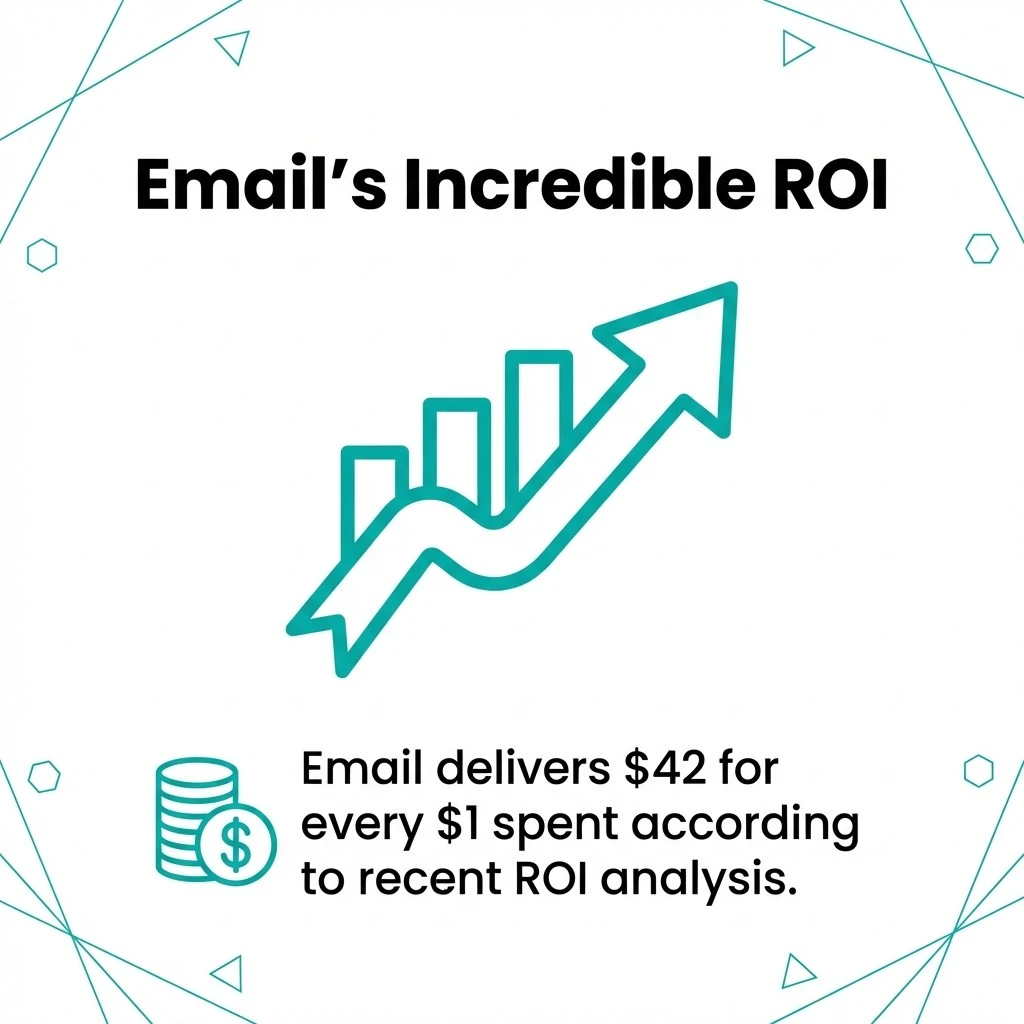
Email delivers $42 for every $1 spent, according to recent ROI analysis. For fitness professionals specifically, the return is even stronger.
Your choice of email platform determines whether you build a thriving client community or waste hours fighting clunky software.
The fitness industry is unique. You're not selling widgets.
You're selling transformation, personal connection, and accountability. Fitness centers see returns up to $36 for every $1 spent when they get email marketing right.
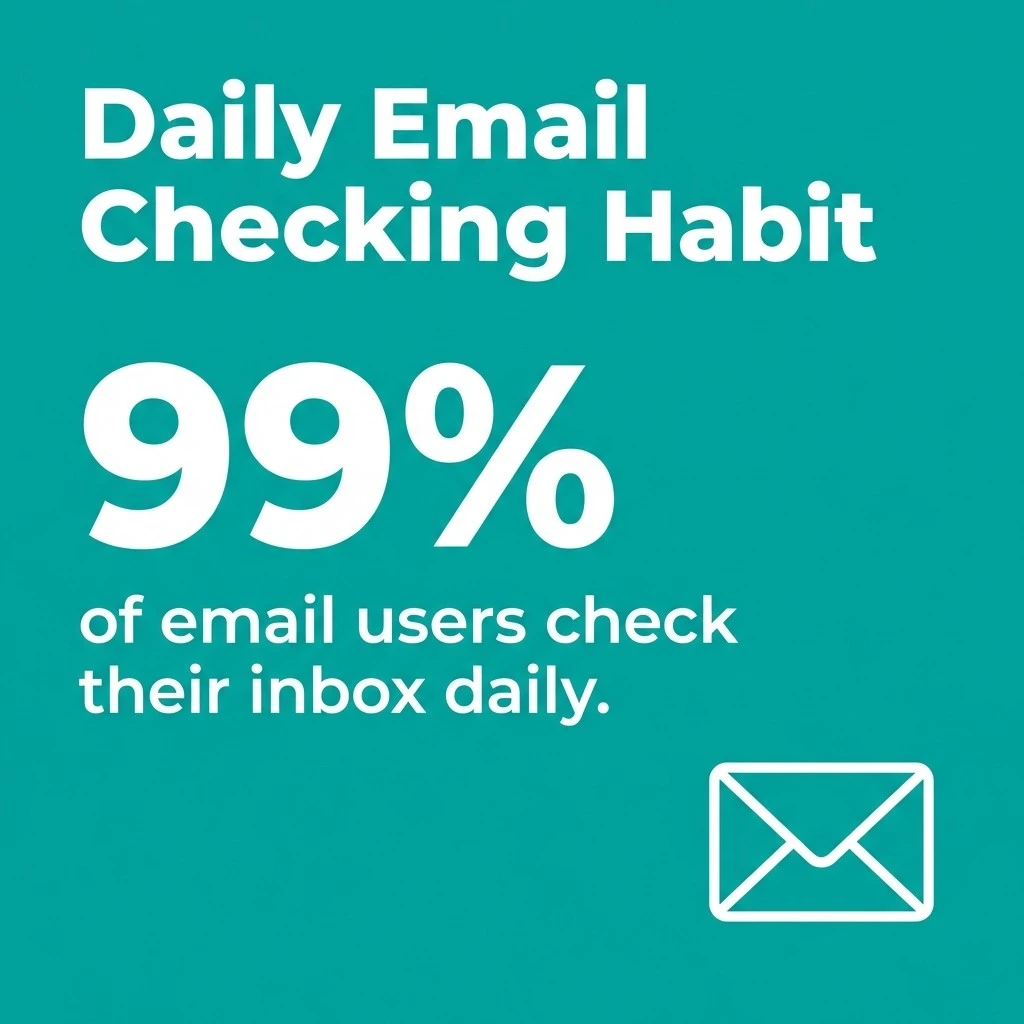
But here's what matters: 99% of email users check their inbox daily. That's where your clients are.
That's where they make decisions about their health, their goals, and whether they'll renew their membership or work with you another month.
This guide walks you through the process of selecting the right email marketing platform for your fitness business.
We'll cover what features matter for gyms and personal trainers, how to evaluate platforms based on your specific needs, and what makes email automation work for client retention and conversion.
Social media changes constantly. Algorithms shift. Reach drops overnight.
Email is different. You own your list. No platform can take that away from you.
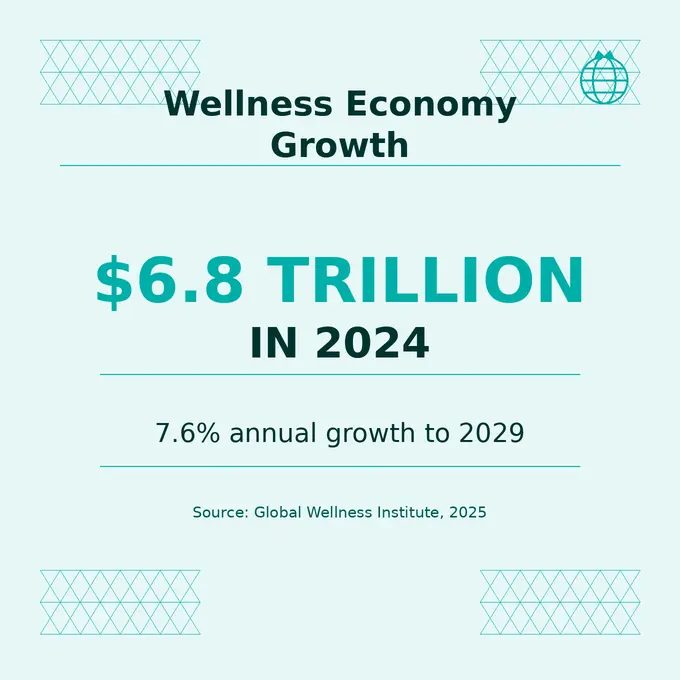
The numbers support this. According to data from the Global Wellness Institute, the global wellness economy hit a record $6.8 trillion in 2024 and is projected to approach $10 trillion by 2029.
Competition increases every year. The fitness professionals who succeed are those who build direct relationships with their audience.
Email enables that direct connection. When someone gives you their email address, they're saying they trust you enough to let you into their inbox. That trust is valuable. It's the foundation for long-term client relationships.
Consider what happens when you post on social media. A fraction of your followers see it. The platform controls reach.
But when you send an email, it lands directly in your subscriber's inbox. They choose when to open it. They control the interaction.
For fitness businesses in particular, email addresses critical challenge. Client retention depends on consistent communication. Client motivation requires regular touchpoints.
Progress tracking needs documentation. Email handles all of this efficiently.
Fitness businesses see strong email engagement. Health and fitness sector averages show 21.48% open rates and 2.69% click-through rates. These benchmarks exceed those of many other industries.
Why? Because fitness is personal. When someone signs up for your email list, they're often at a decision point. They're considering making a change. They want information, motivation, and guidance.
Your emails arrive at the right moment. They provide the push someone needs to book that consultation. To renew that membership. To show up for that class they've been considering.
The platform you choose determines how effectively you capitalize on this opportunity. Some platforms make automation simple. Others create friction at every step. The difference shows up in your conversion rates and your time investment.
Every subscriber on your email list is an asset you own. Compare this to social media followers, which exist at the platform's discretion. Your account could be suspended. The algorithm could change. Your reach could disappear overnight.
Email lists are portable. You can export them. Move them to different platforms. They're yours. This permanence matters when you're building a business for the long term.
Email marketing for personal trainers lays the foundation for all other marketing efforts. It's the hub that connects your content, your services, and your client relationships.
Not all email platforms serve fitness businesses equally well. Generic solutions miss critical features that gyms and personal trainers need daily. Understanding these requirements helps you avoid investing in tools that don't match your workflow.
Fitness businesses run on recurring touchpoints. New member onboarding. Progress check-ins. Renewal reminders.
Class announcements. These communications need to happen automatically, triggered by specific actions or timeframes.
Look for platforms that support behavior-based triggers. When someone signs up for your newsletter, they should automatically enter a welcome sequence.
When a membership approaches renewal, they should receive reminder emails without you having to manually track dates.
Advanced automation handles complex scenarios. Someone attends their first class. They receive a congratulations email and a survey about their experience. Based on their response, they're segmented into different paths.
Positive feedback leads to a referral request. Concerns trigger a personal follow-up.
This level of automation requires platforms built for it. Simple email tools won't manage these workflows effectively. You need dedicated automation features that allow for multiple triggers, conditions, and actions.
Your email list contains different audience segments. Prospective clients researching options. New members still finding their rhythm. Long-term clients who are deeply engaged. Former members you want to re-engage.
Each segment needs different messaging. Prospects need education about your services and social proof. New members need onboarding guidance and encouragement.
Long-term clients need advanced content and exclusive offers. Former members need compelling reasons to return.
Effective platforms allow you to segment based on multiple criteria. Purchase history. Engagement level. Stated goals.
Behavioral data. The more precisely you can segment, the more relevant your emails become.
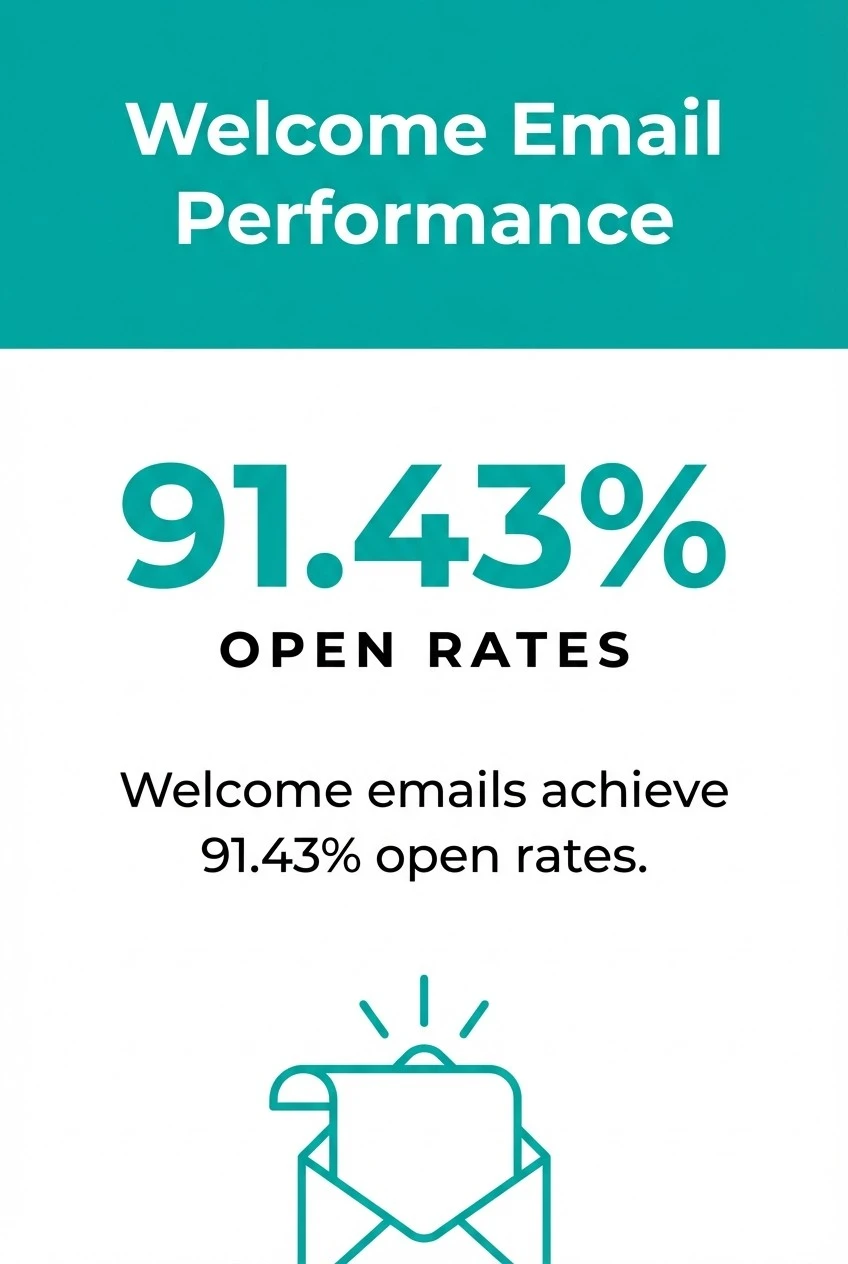
Relevance drives results. Welcome emails achieve 91.43% open rates because they're timely and expected. Apply that same principle across all your emails through smart segmentation.
You're a fitness professional, not a graphic designer. Your platform should include pre-built templates that look professional without requiring design skills.
Templates matter for consistency. Your emails should reinforce your brand. The same colors, fonts, and style that appear on your website should carry through to your emails. This consistency builds recognition and trust.
Look for drag-and-drop editors. Tools like MailerLite offer easy email building, letting you customize templates without touching code.
Mobile responsiveness is non-negotiable. Most people check their email on their phones. If your emails don't display correctly on mobile devices, you lose a significant portion of your audience.
Your email platform shouldn't exist in isolation. It needs to connect with your other business tools. Your scheduling system. Your payment processor. Your client management software.
These integrations eliminate manual data entry. When someone books a consultation through your scheduling tool, they automatically get added to your email list and enter an onboarding sequence.
When someone purchases a membership, they receive a welcome email and access instructions.
The best platforms offer native integrations with popular fitness tools or support connections through automation platforms. This connectivity streamlines your operations and ensures no client falls through the cracks.
Where you are in your business shapes what you need from an email platform. A solo trainer has very different priorities from a gym managing 500 members. Budget, technical confidence, and growth plans all play a role.
Solo Personal Trainers and Small Studios
When you're starting out, simplicity wins. You want to get emails out consistently without spending hours learning a new tool or paying for features you won't use for another year.
Look for a clean interface and a free tier that lets you build your list before committing to a paid plan. At this stage, basic automation covers most of what you need: a welcome sequence, session reminders, and a monthly newsletter.
Most platforms offer plenty at this level, and upgrading when you're ready is straightforward.
Growing Gyms and Multi-Trainer Facilities
Once you're managing multiple membership types and a team of trainers, generic broadcast emails no longer make sense. Advanced segmentation lets you send the right message to the right group.
CrossFit members and yoga practitioners don't want the same content.
Team features are starting to matter, too: staff access, approval workflows, and role-based permissions. And you'll want your email platform connecting with your scheduling software, membership system, and point-of-sale tools.
Large Fitness Centers and Franchise Operations
At the enterprise level, consistency becomes as important as personalisation. Multi-location management lets each site run its own campaigns while adhering to brand standards, with centralised reporting across all sites.
Detailed analytics matter here not just for optimisation but for justifying spend.
And when you're emailing thousands of members, priority support and a dedicated account manager are worth factoring into the cost.
The best email platform in the world won't help if you don't have subscribers. List building deserves as much attention as platform selection. Your approach determines the quality and size of your audience.
People need a reason to give you their email address. A compelling lead magnet provides that reason. It offers immediate value in exchange for contact information.
Effective fitness lead magnets solve specific problems:
These resources address real pain points your ideal clients experience.
The best lead magnets are quick to consume and easy to implement. Someone can download your guide and act on it immediately. They see results, which builds trust and positions you as an authority.
Format matters less than value. PDFs work well. Video series can be powerful. Email courses deliver content over time while keeping subscribers engaged. Choose formats that match your strengths and your audience's preferences.
Promote your lead magnets everywhere. Your website. Social media profiles. In-person at your facility. The more visibility your offer gets, the faster your list grows.
Your signup process should be frictionless. Every additional field reduces conversion rates. Ask only for essential information initially. First name and email address suffice for most purposes.
Place signup forms strategically. Your homepage. Blog posts. Service pages. Exit-intent popups. Multiple touchpoints increase the chances that someone subscribes.
Landing pages dedicated to specific lead magnets convert better than generic signup forms. These pages focus on a single offer with clear benefits and a prominent call-to-action.
Your platform should provide tools for creating these forms and pages. Embedded forms integrate into your website. Hosted landing pages live on the platform's servers. Both approaches work. Choose based on your technical comfort level.
You interact with potential subscribers daily. Every class attendee, every consultation, and every front-desk conversation is an opportunity to grow your list.
Make opt-in part of your intake process. When someone signs up for a trial membership, ask for their email address. Explain the value they'll receive through your emails.
Use physical signage in your facility. QR codes on posters that link to signup pages. Table tents with offers. The people in your space are already interested. Make it easy for them to stay connected.
Building your email list requires consistent effort across all channels. The fitness professionals who grow their lists fastest are those who treat every interaction as a list-building opportunity.
Automation transforms email from a time-consuming task into a business asset that works continuously.
The right automated sequences nurture relationships, prevent churn, and convert prospects into paying clients while you focus on training.
First impressions matter tremendously. When someone joins your email list, they're most engaged, want to hear from you, and they're expecting value.
Your welcome sequence capitalizes on this high engagement. The first email arrives immediately after signup. It delivers the promised lead magnet and introduces your brand personality. It sets expectations for future emails.
Subsequent emails in the sequence build the relationship. Email two shares your story and philosophy. Email three provides a quick win or valuable tip. Email four introduces your services with a soft call-to-action.
Space these emails appropriately. Doing it daily for the first three days keeps momentum. Then spread to every 2-3 days. The sequence should run 7-10 days total, transitioning subscribers into your regular email cadence.
When someone becomes a paying client, a new automation sequence begins. This onboarding series ensures they have everything they need to succeed in your program.
The first email confirms their purchase and provides immediate next steps. Where to show up. What to bring. Who to contact with questions. Remove any friction that might prevent them from getting started.
Early check-in emails maintain momentum. After their first session, ask about their experience. After the first week, celebrate their consistency. After the first month, acknowledge their progress.
These touchpoints happen automatically based on the signup date or last activity. They make clients feel supported without requiring you to manually track everyone's journey.
People fall off. Life gets busy. Motivation wanes. Your email platform should automatically identify inactive clients and attempt to re-engage them.
Define inactivity based on your business model. For gym members, it might be 14 days without checking in. For personal training clients, it could be a missed scheduled session. Your platform should trigger re-engagement emails based on these criteria.
The first re-engagement email is friendly and helpful. You've noticed their absence. You want to support them. You offer resources to help them get back on track.
If they don't respond, subsequent emails increase urgency. You might offer a special incentive to return. A free session. A discounted class pack. Whatever makes sense for your business model.
These automated sequences recover clients who would otherwise churn. Effective marketing strategies recognize that retention is easier and more profitable than constant new client acquisition.
The best platform and automation won't matter if your content doesn't resonate. Fitness audiences respond to specific types of messages. Understanding these preferences shapes your content strategy.
Subject lines determine whether emails get opened or ignored. In a crowded inbox, yours needs to stand out while staying relevant to your audience.
Personalization increases open rates. Using someone's first name catches attention. Referencing their specific goals or interests makes the email feel tailored to them.
Curiosity drives open rates when it's authentically expressed. "This workout mistake is holding you back" creates intrigue without being clickbait. The email must deliver on the promise in the subject line.
Urgency works for time-sensitive offers. "Last chance to register for Saturday's workshop" gives a clear reason to open now rather than later.
Test different approaches. Your platform should allow A/B testing of subject lines. Send two versions to small segments of your list. The winning version goes to the remaining subscribers.
Every email should give before it asks. Provide a useful tip. Share an insight. Deliver on the subject line's promise. This approach builds trust and keeps people opening future emails.
Keep content scannable. Short paragraphs. Subheadings. Bullet points. People skim emails on their phones between tasks. Make it easy to extract value quickly.
Your voice should be consistent with your brand. If you're energetic and motivational in person, your emails should reflect that personality. If you're more educational and technical, write accordingly.
Include clear calls-to-action. What do you want readers to do? Book a consultation? Register for a class? Read a blog post? Make the next step obvious and easy.
The ratio matters. Too much promotional content leads to unsubscribes. Too little means missed revenue opportunities. Most successful fitness businesses follow an 80/20 approach.
Eighty percent of emails provide pure value. Workout tips. Nutrition advice. Motivational stories. Client success features. This content builds the relationship and positions you as an expert.
Twenty percent of emails make offers. New class announcements. Special promotions. Membership deals. These promotional emails convert better because you've established trust through value-first content.
Even promotional emails should include value. Don't just announce a sale. Explain what makes the offer special. How it helps subscribers reach their goals. Why now is the right time to act.
Data reveals what's working and what needs improvement. Your email platform provides metrics that guide optimization decisions. Understanding these numbers separates effective campaigns from wasted effort.
Open rates indicate the effectiveness of the subject line and the sender's reputation. The fitness industry averages around 21% open rates. If you're significantly below this, your subject lines need work, or your list needs cleaning.
Click-through rates show content relevance. Around 2-3% is typical for fitness businesses. Higher rates mean your content resonates, and your calls-to-action are compelling. Lower rates suggest content misalignment with audience needs.
Conversion rates connect email to business outcomes. How many email recipients book consultations? Purchase memberships? Register for classes? This metric determines actual ROI.
Unsubscribe rates reveal content-market fit. Some unsubscribes are healthy. People who aren't interested should leave. But sudden spikes indicate problems. Poor content quality. Too frequent emails. Misaligned expectations.
Metrics only matter if they drive action. Review performance regularly. Weekly for active campaigns. Monthly for overall trends. Look for patterns that suggest optimization opportunities.
Compare campaign types. Do workout tips perform better than nutrition content? Do personal stories drive more engagement than instructional content? Let data guide your content calendar.
Segment analysis reveals audience differences. New subscribers might engage differently from long-term clients. Younger demographics might prefer different content than older members. Tailor campaigns based on these insights.
A/B testing systematically improves performance. Test one variable at a time. Subject lines. Send times. Content formats. Call-to-action placement. Small improvements compound over time.
The ultimate measure is revenue impact. How much income does email marketing generate? Track this by including unique links and codes in campaigns. Your platform should integrate with your sales system to close this loop.
Calculate customer acquisition cost through email. Divide email marketing expenses by the new clients acquired through email. Compare this to other marketing channels. Email typically shows significantly better economics.
Measure the lifetime value of email subscribers versus non-subscribers. Clients who engage with email often stay longer and spend more. This data justifies continued investment in email marketing.
Basic email marketing works. Advanced strategies create significant competitive advantages. These tactics require more sophisticated platforms but deliver outsized returns.
Dynamic content changes based on recipient data. Someone interested in weightlifting sees different content than someone focused on yoga. Same email, different content blocks, personalized experience.
This requires platforms with conditional content capabilities. You set rules. If the subscriber is tagged as "yoga," show yoga content. If tagged as "strength training," show strength content. The platform handles personalization automatically.
The payoff is relevance at scale. You create one email that serves multiple segments effectively. This efficiency matters as your list grows and diversifies.
Advanced platforms use engagement data to predict churn risk. Declining open rates. Reduced click activity. Absence of website visits. These signals indicate a client might be losing interest.
Automated workflows trigger based on these predictions. At-risk clients receive targeted retention campaigns before they actually leave. You intervene proactively rather than reactively.
This approach requires platforms with sophisticated analytics and automation capabilities. Not all tools offer this level of intelligence. But for businesses serious about retention, the investment pays for itself.
Email works better when coordinated with other channels. SMS marketing complements email for time-sensitive messages. Push notifications work for mobile app users. Social media reinforces email messages.
The most effective platforms support multi-channel campaigns. You create one message that deploys across channels with appropriate formatting. This coordination creates consistent experiences that drive better results.
You've learned what matters. Now comes the decision. Your platform choice impacts your business for years. Take time to evaluate options thoroughly.
Start by documenting your specific needs: current list size and 12-month projection, automation complexity, integration requirements, team collaboration needs, and budget.
Rank requirements by importance; some features are non-negotiable, others are nice-to-have. Be honest about your technical skill level, too; some platforms require significant technical knowledge, and choosing based on aspirational abilities rather than actual ones leads to frustration.
Consider your technical skill level honestly. Some platforms require significant technical knowledge. Others are designed for non-technical users. Choose based on your actual abilities, not aspirational ones.
Most email platforms offer free trials. Use them. Actually build campaigns. Test automation workflows. Check reporting interfaces. Send real emails to test accounts.
Evaluate customer support during trials. Submit questions through their channels. How quickly do they respond? How helpful are their answers? Support quality matters when you're stuck.
Review documentation and training resources. Comprehensive knowledge bases save time and frustration. Video tutorials help visual learners. Consider the learning curve for each platform.
Email marketing platforms range from free to thousands monthly. Price correlates loosely with features and list size. The right investment depends on your business stage and growth trajectory.
Calculate potential ROI. If email marketing generates even one new client monthly, it pays for itself many times over. Research shows 50% of gym-goers consider fitness core to their identity. These engaged prospects respond well to email communication.
Consider switching costs. Moving platforms later involves migrating lists, rebuilding templates, and recreating automations. Choose thoughtfully to avoid unnecessary future transitions.
The platform that matches your specific needs creates a foundation for sustainable growth. It turns sporadic communication into systematic relationship building. It transforms your email list from a spreadsheet into a business asset.
Email marketing functions within the Promotion element of the traditional 4 P's framework. It serves as a direct communication channel for newsletters, exclusive content, product information, and promotional offers, alongside other tactics such as content marketing and advertising.
Develop a comprehensive strategy that covers quality services, competitive pricing, accessible locations or online channels, and promotional tactics. Use content marketing to build trust, email to engage subscribers, and social media to build brand awareness, while ensuring all elements align cohesively.
The framework adds People, Process, and Physical Evidence to the core 4 P's. For gyms, this includes qualified staff, streamlined membership processes, and facility appearance, like equipment quality and cleanliness, alongside traditional marketing elements.
Email marketing creates direct relationships with clients in an industry built on transformation and personal connection. The fitness professionals who do it well aren't necessarily the most talented, but rather the most consistent.
They show up in their clients' inboxes with the right message at the right time, and that consistency compounds into retention, referrals, and revenue.
The platform you choose either makes that consistency easy or turns it into a chore. The right tool fits your workflow, grows with your business, and frees you to focus on what you do best: coaching.
PT Distinction is built for exactly that. Alongside its client management and programme delivery tools, it's designed to help fitness professionals stay connected with their clients without the admin overhead.
If you're ready to see how it works, start your free trial today.
Ready to join the family?
We'll get you up and running in no time. Start with our zero-risk free trial and build your personal training empire today.