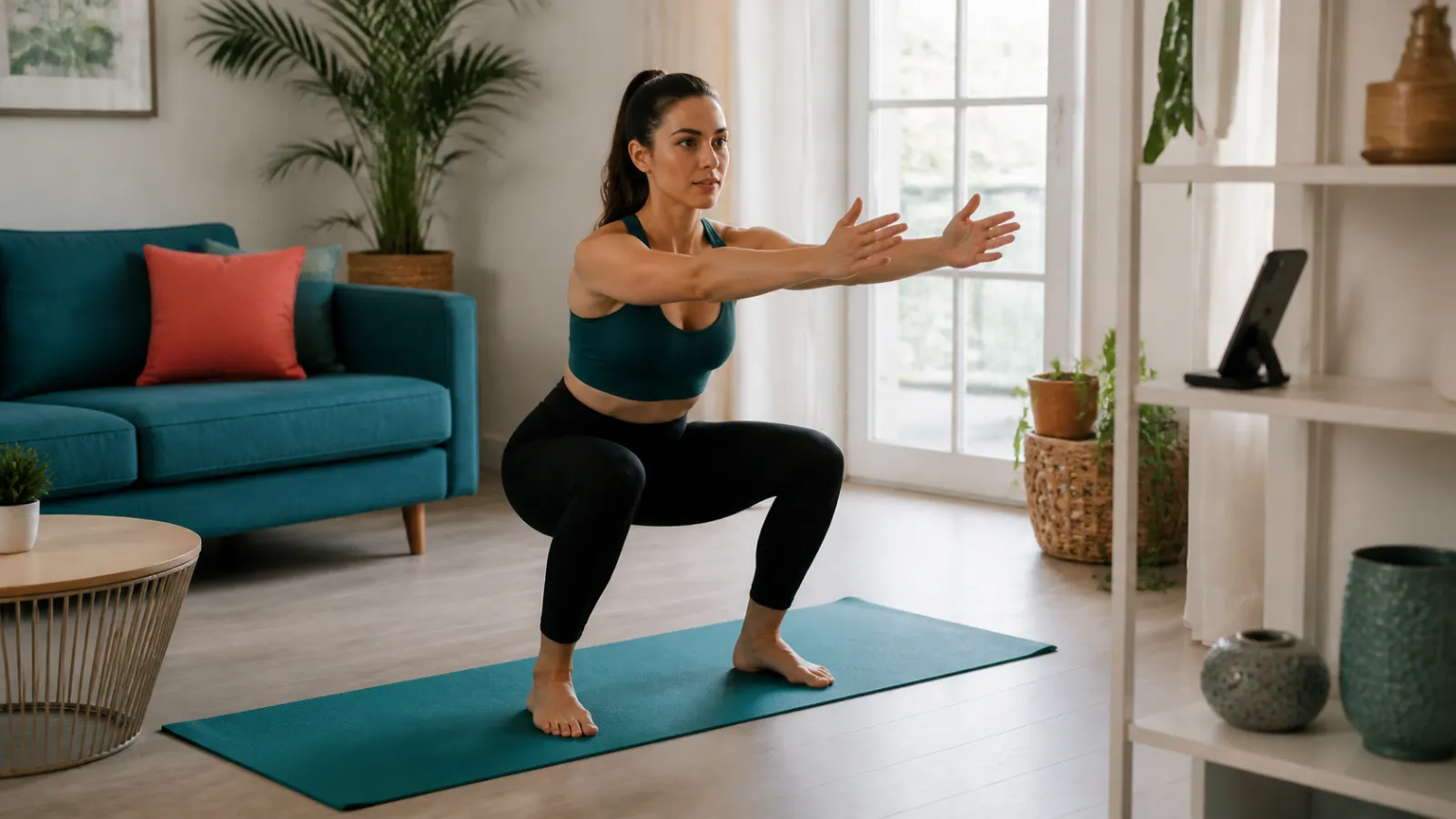


You might see a client two or three times a week. The other 160 or so hours decide most of their results: how they sleep, what they eat, how much they move and whether they turn up to the next session ready to train.
Habits are how your coaching reaches those hours. One or two small habits a client ticks off every day, reviewed alongside their weekly check-in, do more than a long list of good intentions nobody tracks. Start small, make each habit easy to log, and add the next one only when the first is automatic.
Habit tracking is built into PT Distinction's personal trainer software, so clients log habits in the same app as their training and you see adherence without chasing it.
Choose habits that support the client's goal and that they can tick off in seconds. A good habit is specific, daily and either done or not done.
| Area | Example habit | Why it helps |
|---|---|---|
| Training | Complete today's scheduled workout or walk | Keeps training consistent between sessions |
| Movement | Hit your daily step target | Adds activity without extra workouts |
| Nutrition | Eat a palm-sized portion of protein at each meal | One simple change instead of a full meal plan |
| Hydration | Drink your water target by 6 p.m. | Easy early win that builds the logging habit |
| Sleep | Lights out by your agreed bedtime | Supports recovery and energy |
| Recovery | 10 minutes of mobility work | Helps clients who sit all day or train hard |
Match the habits to what the assessment and intake told you. A client struggling with energy may need a sleep habit before a nutrition one. A client training for strength may need protein first.
Start every new client on one or two habits, and add the next one only when the current ones are close to automatic. That usually takes a few weeks.
Piling on five or six habits at once makes the week feel like a checklist, and the habits that matter most get lost. Fewer habits, done consistently, give you something to build on.
The goal decides which habits come first. Here are some examples to adapt after the assessment.
| Client goal | Start with | Add next |
|---|---|---|
| Fat loss | Daily step target; protein at each meal | Vegetables at two meals |
| Strength and muscle | Protein at each meal; sleep by an agreed bedtime | Mobility before training |
| Returning after a break | Complete the scheduled workout or walk; daily steps | Water target |
| Endurance | Sleep by an agreed bedtime; mobility after runs | Fuel before long sessions |
| General health | Daily steps; water target | Lights out at an agreed time |
A simple progression keeps habits manageable and gives you a reason to talk about them every week.
A habit only coaches the client if both of you can see whether it's happening.
Habits are one of the simplest ways to coach nutrition without writing a full meal plan. One habit at a time, such as protein at every meal or vegetables at lunch and dinner, changes how a client eats without asking them to change everything at once.
Pair each nutrition habit with a short explanation or a recipe, so the client knows why it matters and how to do it. Here's how to set up a nutrition habit and share it with your clients.
Habits work well as a shared challenge. Give a group, such as a small group training block or an online cohort, the same habit for two to four weeks, like a daily step target or protein at every meal. Members keep each other going in the group chat, and you see the whole group's adherence in one report.
If clients have to open a separate app or reply to a message to log a habit, most of the tracking ends up being done by you. Good habit coaching software makes logging effortless for the client and makes adherence obvious to you. Look for:
PT Distinction covers each of those points. Once habits are set up, they run themselves, and you only step in where the data says you should.
Habits work best as part of the whole picture. Set them after the first assessment, and review them in the weekly check-in.
Habit coaching is helping clients build small daily behaviors, such as hitting a step target, eating enough protein or sleeping on schedule, that support their training goals between sessions. The trainer sets the habits, tracks adherence and adjusts them over time.
Between one and three. Add a new habit only when the current ones are close to automatic, so the client builds on success rather than juggling a long list.
Use an app where clients can mark each habit as done or skipped daily, and where you can see their adherence over time. Review the habits with the lowest adherence in the weekly check-in.
One where clients log habits in the same app as their training. In PT Distinction, clients tick off habits alongside their workouts, you see adherence for each client and each group, and you can share habits with every client at once, with reminders and coaching content attached. A separate habit app means clients have one more thing to open and you have one more place to check.
Yes. In-person clients spend most of the week away from you, so habits are how your coaching supports them between sessions.
The sessions you run are a small part of a client's week. Habits cover the rest. Start your 1-month free trial of PT Distinction and set your first habit for every client today. Every feature is included on every plan.
Ready to join the family?
We'll get you up and running in no time. Start with our zero-risk free trial and build your personal training empire today.