

Your clients crave variety when temperatures rise. The summer season opens opportunities for outdoor exercise that refresh both body and mind, yet many trainers default to the same indoor routines they use year-round.
Summer fitness demands a different approach. Your clients want to enjoy warm weather while building strength, improving cardiovascular health, and maintaining consistency with their workout programs.
This guide delivers ten proven summer workout ideas that combine effectiveness with seasonal enjoyment. Each activity targets specific fitness goals while leveraging the unique advantages of outdoor training during warmer months.
You'll discover how to integrate hiking, swimming, cycling, and other outdoor activities into structured training plans. These approaches help clients stay engaged, avoid workout monotony, and capitalize on the mental health benefits that come from exercising in nature.
The result? Clients who look forward to their summer workout sessions and maintain progress during months when gym attendance typically drops.
Summer workout planning requires understanding what outdoor exercise offers your clients beyond basic fitness gains. When you structure programs around seasonal activities, you tap into advantages that indoor training can't match.
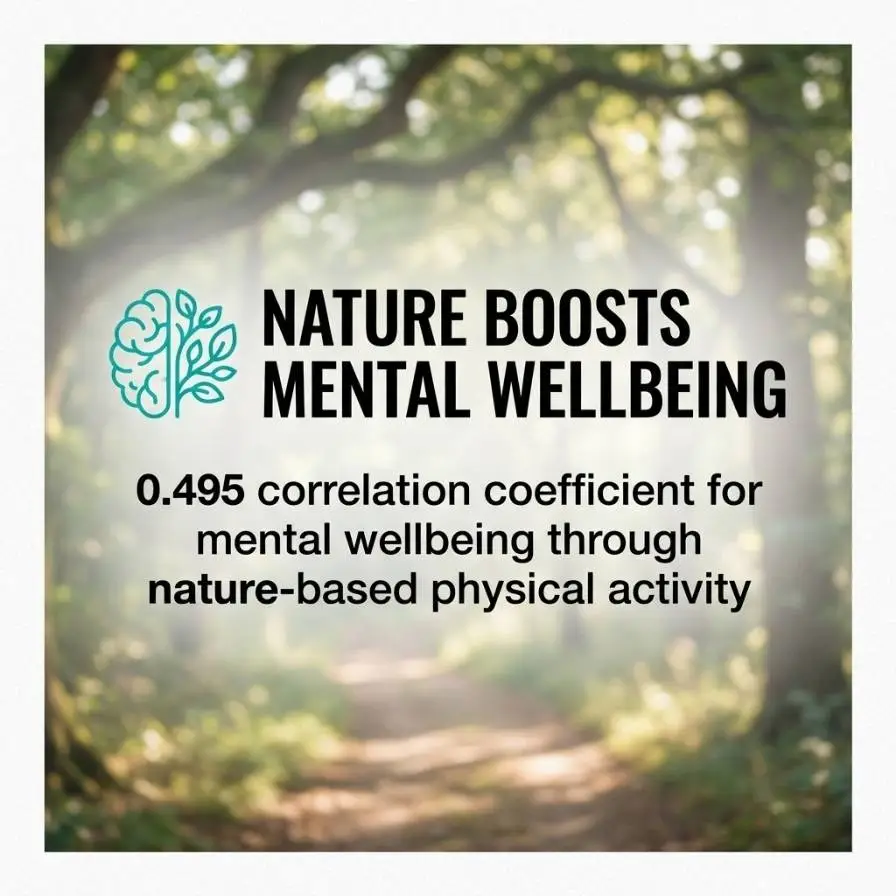
Fresh air and natural settings deliver psychological benefits alongside physical ones. Research shows a significant positive relationship between nature-based physical activity and mental well-being, with a correlation coefficient of 0.495.
Outdoor activity also continues to grow in popularity. Participation grew by 3% in 2024, reaching 181.1 million Americans, giving personal trainers more opportunities to keep clients active outside during the summer months.
Your clients can benefit from this seasonal shift. Summer workouts often feel less like obligations and more like enjoyable activities, which may help improve consistency with fitness programs.
Environmental factors create a unique training stimulus outdoors. Uneven terrain challenges balance and core strength differently than flat gym floors.
Temperature and humidity can add cardiovascular demand. Your clients’ bodies often work harder to regulate temperature outdoors, creating a different training stimulus than indoor sessions.
Natural light exposure benefits circadian rhythms and vitamin D production. These factors influence recovery, sleep quality, and overall health in ways that indoor training can't replicate.
Program variety prevents adaptation and boredom. When you introduce summer workout ideas, clients experience renewed motivation after months of winter gym routines.
The seasonal shift provides natural programming blocks. You can structure three-month summer phases that feel distinct from fall and winter training cycles.
This approach helps clients view fitness as a year-round lifestyle rather than a repetitive routine. Each season brings fresh activities and different challenges.
Hiking combines cardiovascular training with functional strength development. Trail terrain challenges muscles through varied elevation and unstable surfaces that gym equipment can't replicate.
This outdoor workout engages the entire lower body. Quads, hamstrings, glutes, and calves all work continuously as clients navigate inclines, declines, and uneven ground.
Core muscles activate constantly for balance and stability. Your clients develop practical strength that transfers to daily activities and other sports.
Beginner clients start with flat, maintained trails lasting 30-45 minutes. Focus on building aerobic base and selecting proper footwear before advancing in difficulty.
Intermediate hikers tackle moderate elevation changes over 60-90 minute sessions. Add weighted backpacks to increase resistance and prepare for more challenging terrain.
Advanced clients handle steep inclines, longer durations, and technical trails. These sessions deliver comprehensive training stimulus similar to structured gym workouts.
Hydration becomes critical during summer hiking. Clients need access to water throughout their workouts, especially on trails without facilities.
Sun protection matters more outdoors. Recommend early morning or evening hikes during peak summer heat to prevent overheating and sun exposure issues.
Proper footwear prevents injuries. Clients need hiking-specific shoes with ankle support and grip appropriate for the trail conditions they'll encounter.
Swimming delivers complete cardiovascular and muscular engagement without joint stress. Water resistance challenges every major muscle group while buoyancy reduces impact forces.
This makes swimming ideal for clients with joint concerns, those in recovery from injury, or those who want cardiovascular training that complements high-impact activities. The low-impact nature allows for frequent training without excessive recovery demands.
Different strokes emphasize different muscle groups. Freestyle develops shoulder strength and core rotation, while breaststroke targets inner thighs and chest muscles.
Beginner swimmers focus on technique and breathing patterns. Start with 20-minute sessions alternating between swimming and rest intervals.
Intermediate clients incorporate interval training. Try 10 x 50-meter repeats with 30-second rest periods to build cardiovascular capacity.
Advanced swimming workouts mix stroke variations and intensity levels. Combine sprint intervals with longer endurance sets for comprehensive conditioning.
Many communities offer outdoor pool facilities during the summer months. These provide controlled environments for consistent training progression.
Open-water swimming adds challenges through waves, currents, and temperature variations. Clients need proper safety protocols and supervised progression before attempting ocean or lake swimming.
Water temperature affects workout intensity. Cooler water increases caloric expenditure because the body must work harder to maintain core temperature during exercise.
Cycling builds cardiovascular fitness while strengthening lower-body muscles. Outdoor biking provides varied terrain and environmental conditions that stationary bikes can't match.
The activity suits multiple fitness levels. Beginners ride flat routes at comfortable paces, while advanced cyclists tackle hills and longer distances for greater training stimulus.
Cycling qualifies as low-impact exercise despite high caloric expenditure. Your clients can train frequently without the joint stress associated with running or jumping activities.
Road cycling emphasizes sustained cardiovascular effort. Long rides on paved surfaces build aerobic endurance and lower-body muscular endurance.
Mountain biking adds upper-body and core engagement. Technical trail riding requires constant balance adjustments and handling skills that develop functional strength.
Both formats deliver excellent summer workout options. Client preferences and available terrain determine which approach best fits their program.
Start beginners with 30-minute rides at a conversational pace. Focus on proper bike fit and comfortable cadence before increasing duration or intensity.
Intermediate cyclists extend duration to 60-90 minutes and add gentle hills. This builds the aerobic base necessary for more challenging routes.
Advanced programs incorporate interval training, sustained climbs, and longer weekend rides. These sessions comprehensively challenge both the cardiovascular and muscular systems.
E-bikes expand accessibility for certain clients. E-bikes produce no tailpipe emissions and emit approximately 22 grams of CO2 per kilometer, providing an eco-friendly option for clients building cycling fitness.
High-intensity interval training translates effectively to outdoor settings. Parks, beaches, and open spaces provide natural environments for bodyweight circuits and sprint intervals.
Outdoor HIIT is a practical option for time-constrained clients. Short, structured sessions in parks or open spaces can build cardiovascular fitness efficiently while keeping training varied and engaging during the summer months. Research also supports HIIT as an effective method for improving aerobic fitness and VO₂max.
Outdoor HIIT eliminates equipment barriers. Clients perform exercises using only body weight and natural features like park benches, hills, or stairs.
Structure sessions around a total duration of 20-30 minutes. Include warm-up, work intervals, and cool-down within this timeframe.
Work-to-rest ratios determine intensity. Beginners use 1:2 ratios (20 seconds work, 40 seconds rest), while advanced clients handle 1:1 or 2:1 ratios.
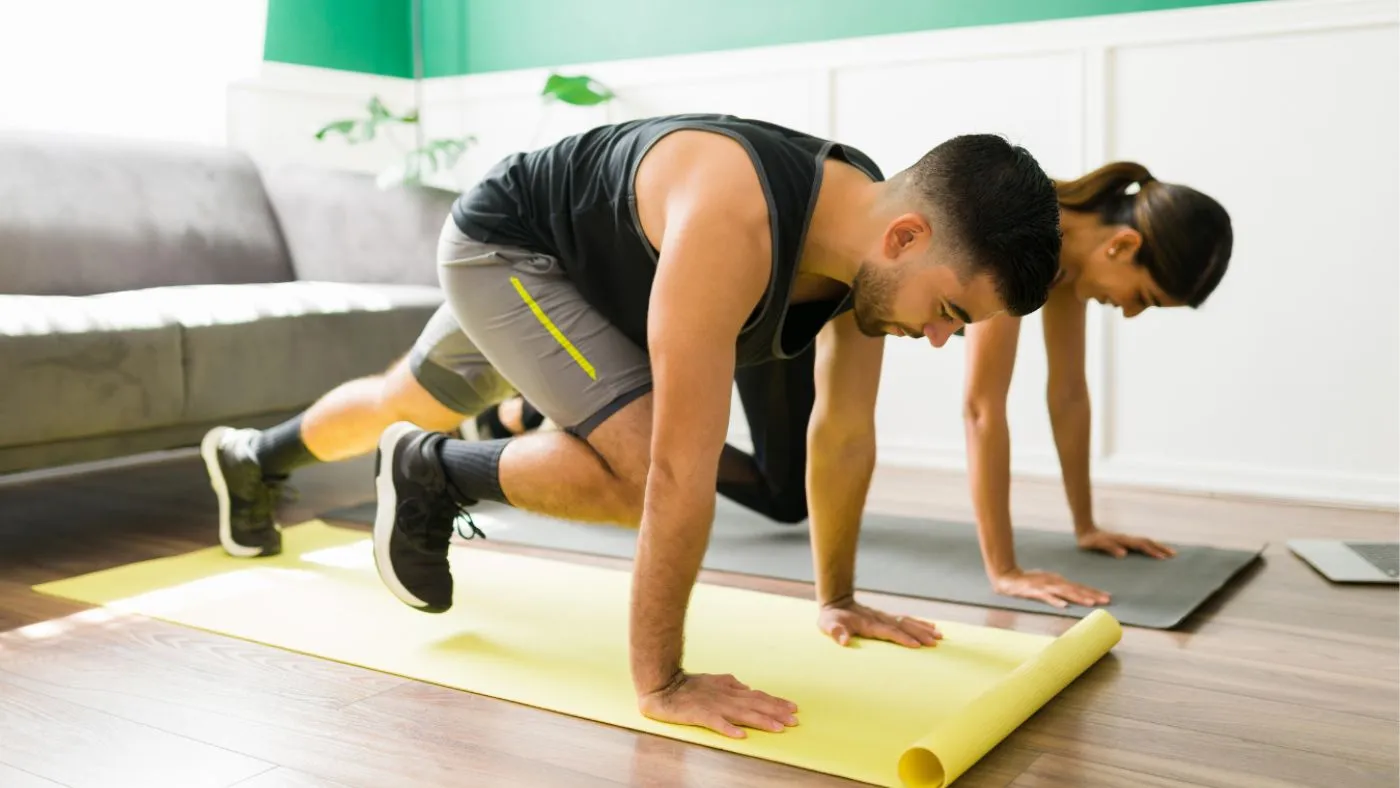
Exercise selection targets full-body movement. Combine lower body exercises (squats, lunges), upper body work (push-ups, dips), and core movements (mountain climbers, planks).
This circuit works in any park or outdoor space with minimal equipment:
Repeat the circuit 4-6 times, depending on fitness level. This format delivers comprehensive cardiovascular and strength stimulus in under 30 minutes.
The outdoor setting adds mental freshness to intense training. Clients often report that outdoor HIIT feels less monotonous than indoor versions of similar workouts.
Trail running elevates standard running through variable terrain and natural obstacles. Hills, roots, rocks, and uneven surfaces require constant attention and adaptation.
This outdoor workout develops cardiovascular endurance while strengthening stabilizer muscles. Ankles, knees, and hips gain resilience through managing unpredictable ground surfaces.
Clients need a road running base before transitioning to trails. Establish comfortable 3-5 mile road runs before introducing trail terrain.
Start with well-maintained trails featuring gentle elevation changes. These allow clients to adapt to uneven surfaces without excessive technical difficulty.
Advanced trail runners handle steep climbs, technical descents, and longer distances. These sessions challenge both physical and mental capacities.
Shorter strides and higher cadence improve stability on trails. Clients should focus on quick foot turnover rather than long, powerful strides.
Eyes stay on the trail ahead, scanning for obstacles. This awareness prevents trips and falls on technical sections.
Proper trail-running shoes provide the necessary traction and protection. Road-running shoes lack the grip and stability needed for off-road terrain.
Yoga complements higher intensity summer workouts by emphasizing flexibility, balance, and recovery. Outdoor practice adds environmental connection to traditional yoga benefits.
Natural settings enhance the mindfulness aspects of yoga. Clients report greater mental relaxation when practicing outside versus in studio environments.
Yoga supports injury prevention and recovery. Fundamental training principles include adequate recovery, which yoga facilitates through active stretching and stress reduction.
Athletic-focused yoga emphasizes mobility and strength. Sequences target common tight areas such as the hips, hamstrings, and shoulders.
Balance poses develop stabilizer strength and body awareness. Single-leg postures like tree pose and warrior three challenge ankle and hip stability.
Core-focused flows build strength in the abdomen and lower back. Plank variations, boat pose, and side planks strengthen the trunk muscles that support all athletic movement.
Schedule yoga sessions on lower intensity days. Use them as active recovery between strength training or high-intensity cardio sessions.
Morning yoga sessions improve mobility before workouts. Evening sessions promote relaxation and recovery after training.
Frequency depends on the client's needs and schedule. Two to three weekly sessions provide noticeable flexibility and recovery benefits.
Water sports offer a unique training stimulus emphasizing upper body strength and core stability. Kayaking and stand-up paddleboarding challenge muscles through continuous paddling motion against water resistance.
Fitness kayaking delivers an excellent cardiovascular workout, engaging the heart and lungs while simultaneously building upper-body muscular endurance. Stand-up paddleboarding participants increased to approximately 4.13 million in 2023, reflecting growing interest in this accessible water activity.
Kayaking emphasizes lat muscles, shoulders, and rotational core strength. The pulling motion develops back width and thickness, while the torso rotation engages obliques.
Paddleboarding adds significant balance and leg involvement. Standing position requires constant lower-body engagement and core stability to maintain the board position.
Both activities provide low-impact alternatives to traditional upper-body training. Water resistance creates smooth, joint-friendly loading patterns.
Start with calm water conditions. Lakes and protected bays offer ideal learning environments without waves or strong currents.
Begin with shorter sessions focusing on technique. Proper paddle mechanics prevent shoulder strain and improve efficiency. Progress to longer durations and varied conditions. As their skills develop, clients can handle more challenging water and longer workout sessions.
Strength training moves outside effectively with minimal equipment. Resistance bands, suspension trainers, dumbbells or kettlebells, and bodyweight exercises provide comprehensive strength stimulus in outdoor settings.
Functional resistance training provides physical benefits that support independence and reduce fall risk, making this approach valuable for clients of all ages.
Park benches, trees, and playground equipment serve as training tools. Creative programming transforms outdoor spaces into functional training environments.
Lower body exercises include step-ups, split squats, and single-leg deadlifts. Park benches provide the perfect height for step-up variations.
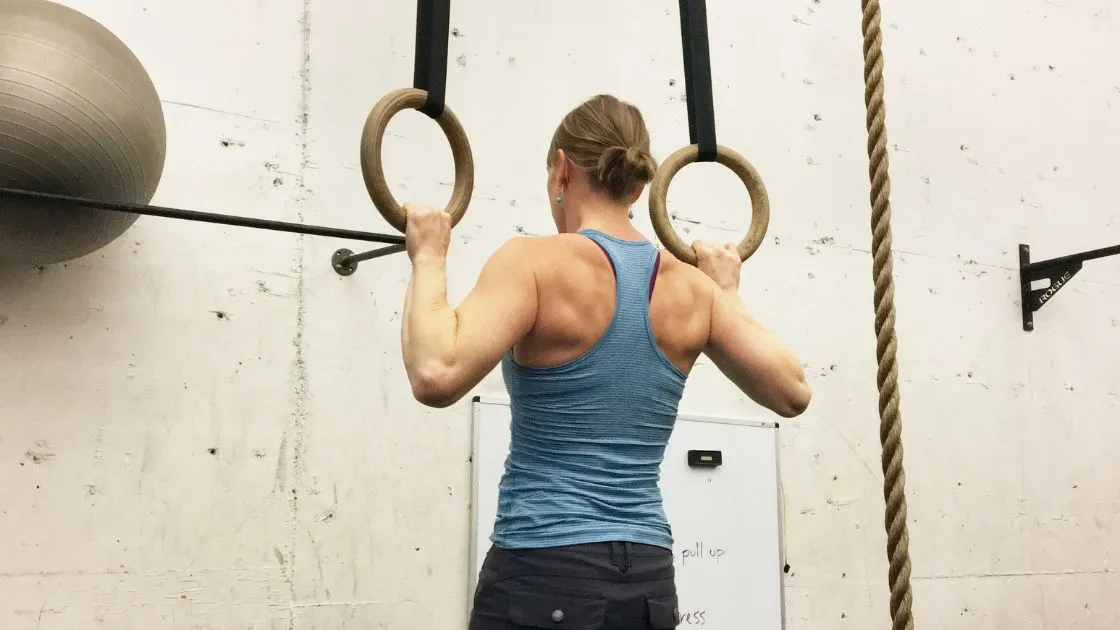
Upper body work incorporates push-up variations, pull-ups on playground bars, and resistance band rows. These movements build upper-body strength without traditional gym equipment.
Core training uses planks, dead bugs, and bird dogs. Ground-based exercises work effectively on grass or exercise mats outdoors.
Circuit format works well for outdoor training. Move between exercise stations with minimal rest to maintain heart rate and training density.
Full body sessions maximize efficiency. Train major movement patterns (squat, hinge, push, pull, carry) in each workout.
Progressive overload through increased repetitions, reduced rest periods, or resistance band tension. Track performance to ensure continued adaptation.
Tennis combines cardiovascular training with agility, power, and strategic thinking. The sport develops multidirectional movement capacity and hand-eye coordination.
U.S. tennis participation grew by 1.6 million players, reaching 27.3 million Americans, showing the sport's broad appeal across fitness levels.
Racquet sports offer social elements that solitary workouts lack. Doubles tennis provides exercise within an enjoyable social context.
Lateral movement patterns strengthen hip abductors and adductors. Tennis requires constant side-to-side motion that develops rarely trained muscle groups.
Explosive power develops through serves, volleys, and quick directional changes. These movements recruit fast-twitch muscle fibers.
Cardiovascular endurance improves through sustained rallies. Match play creates interval-style training naturally through points, games, and sets.
Beginners focus on basic stroke mechanics and court movement. Technical skill development prevents frustration and allows for enjoyable play.
Intermediate players incorporate drills emphasizing movement patterns. Ladder drills, cone work, and footwork exercises improve court coverage.
Competitive match play provides high-intensity training. Singles matches deliver particularly demanding cardiovascular and muscular challenges.
Pickleball has earned its own place in summer programming thanks to its accessibility and rapid growth. Combining elements of tennis, badminton, and table tennis, it offers cardiovascular benefits with a lower barrier to entry and reduced physical demands.
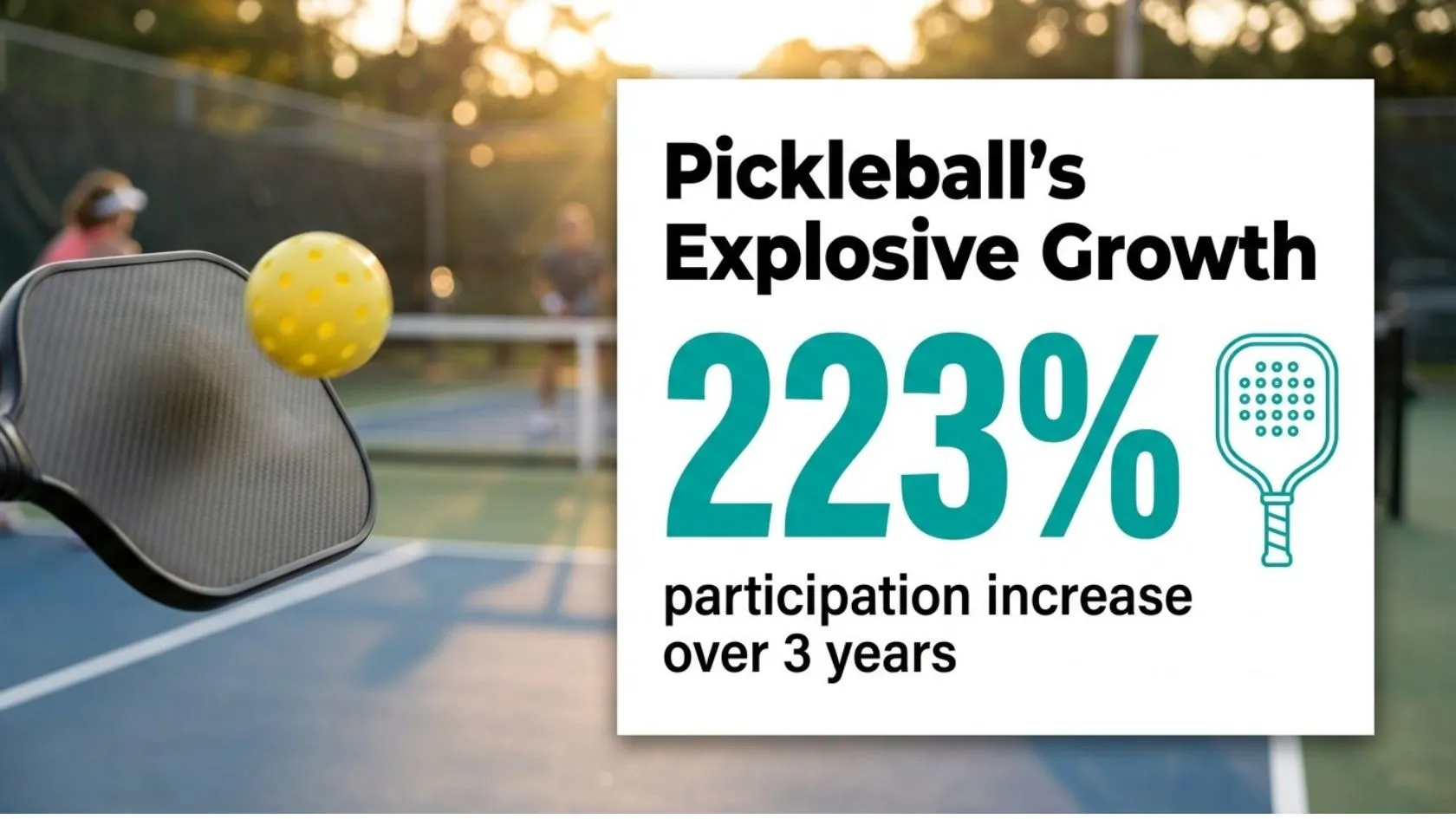
Participation has grown by nearly 223% over the past three years, making pickleball America’s fastest-growing sport and giving trainers another accessible option for clients who may find tennis intimidating or too demanding.
Pickleball is easier on the joints than tennis, making it a good option for clients who want to stay active without the same level of impact. The smaller court means less sprinting and fewer explosive movements, while still providing a meaningful cardiovascular challenge.
It is also quick to learn. Most clients can build confidence and enjoy rallies relatively quickly, which helps maintain motivation in the early stages.
The social side of pickleball can also improve consistency. Group sessions and doubles play make it feel more like a fun activity than another workout, helping clients stay engaged over time.
Pickleball works well as either active recovery or a supplementary cardio session within a broader training plan. Consider scheduling it on lighter days between strength sessions to encourage movement without adding excessive fatigue.
Doubles play is ideal for lower-intensity days, offering movement and social interaction without pushing clients too hard. Singles can provide a greater cardiovascular challenge for those looking to increase intensity.
When paired with a well-structured workout schedule, pickleball can add variety to a client’s week while helping balance strength work, conditioning, and recovery.
Effective programming balances variety with consistency. Your clients need structured plans that incorporate multiple summer workout ideas while maintaining progressive overload.
Weekly schedules should include cardiovascular exercise, strength training, flexibility work, and recovery. Summer programming enables outdoor activities to naturally fulfill these categories.
This template balances different workout types for comprehensive fitness development:
Client goals determine activity emphasis. Weight loss goals benefit from higher cardiovascular volume, while strength goals prioritize resistance training.
Injury history influences activity selection. Clients with knee issues might emphasize swimming and cycling over running and hiking.
Schedule constraints affect workout timing and duration. Effective session structures can adapt to various time windows while maintaining training quality.
Summer training comes with challenges that clients do not face in climate-controlled gyms. Heat, humidity, and sun exposure all affect performance, recovery, and safety, which means outdoor sessions need a little more planning.
Hydration becomes especially important during warmer months. Higher temperatures increase sweat rates and fluid loss, making dehydration more likely, particularly during longer or higher-intensity sessions.
Timing workouts strategically can also reduce heat stress, with early mornings and evenings often providing safer, more comfortable training conditions.
Good hydration starts before the session begins. Encourage clients to drink water throughout the day, with around 16–20 ounces 2–3 hours before outdoor exercise to help prepare for warmer conditions.
During longer or more intense sessions, regular water breaks become increasingly important. For workouts lasting more than an hour, encourage clients to sip fluids consistently rather than waiting until they feel thirsty.
Recovery matters too. Rehydrating after training helps replace fluids lost through sweat, especially following activities such as hiking, cycling, or outdoor HIIT sessions.
When planning outdoor sessions, consider the heat index as well as the temperature. High humidity makes it harder for the body to cool itself, increasing the risk of overheating.
Whenever possible, avoid the hottest part of the day. Schedule more demanding sessions in the morning or evening, and use a structured workout plan to adjust intensity based on weather conditions and recovery needs.
Simple precautions can also make a big difference. Encourage clients to wear sunscreen, seek shade where possible, and watch for signs of heat illness such as dizziness, nausea, unusual fatigue, or confusion.
If symptoms appear, stop the session and prioritize cooling down and hydration.
Summer routines are rarely predictable. Holidays, travel, and changing schedules can disrupt consistency, which is why flexibility matters. Providing adaptable workout options clients can complete in different locations helps maintain momentum even when routines shift.
Variety also helps keep training enjoyable. Rotating between activities such as hiking, swimming, outdoor HIIT, or racquet sports can reduce monotony and improve long-term consistency. A flexible workout schedule gives clients structure while still allowing room to enjoy the season.
The key is matching activities to each client’s goals, preferences, and fitness level while keeping programming structured enough to maintain progress. Start by introducing one or two new summer workout ideas and adjust based on what clients genuinely enjoy and stick with.
PT Distinction helps personal trainers build flexible programs, deliver workouts, track progress, and keep clients accountable through changing routines and seasonal schedules. Whether you coach clients in person, online, or in a hybrid setting, it gives you the tools to create a better coaching experience year-round.
Ready to streamline your coaching and keep clients engaged? Explore PT Distinction and start your 1-Month free trial today.
Ready to join the family?
We'll get you up and running in no time. Start with our zero-risk free trial and build your personal training empire today.