Fitness podcasts provide trainers with expert insights, training strategies, and business education through mobile-friendly audio content.
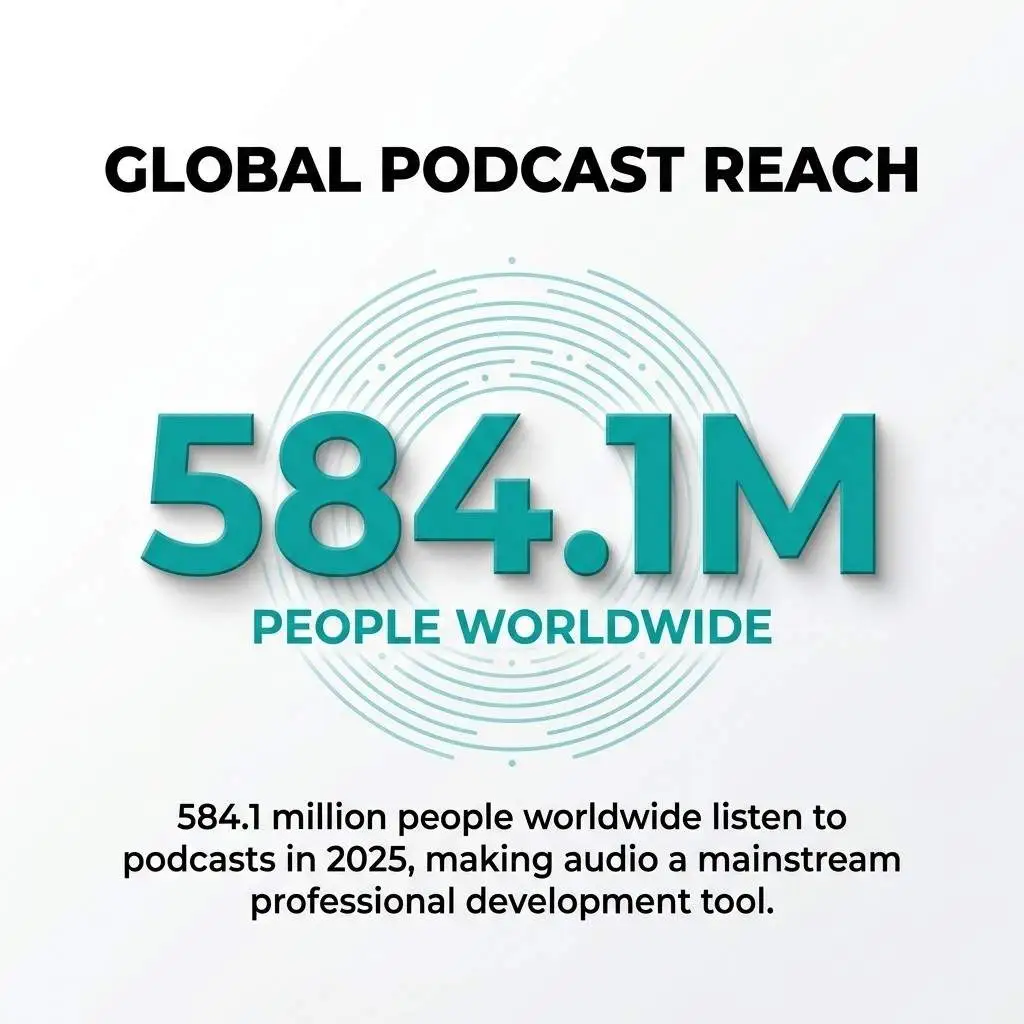
584.1 million people worldwide listened to podcasts in 2025, according to Teleprompter’s Podcast Statistics, making audio content a mainstream professional development tool.
Personal trainers can access science-based training methods, client management tactics, and industry trends through podcasts during commutes, between sessions, or at the gym.
Podcasts offer flexible learning that fits around client sessions without requiring screen time. The right shows deliver actionable coaching strategies you can test with clients the same week you hear them.
Most trainers are time-poor. You're booking sessions, writing programs, checking in with clients, and trying to grow your business at the same time. Sitting down to read research papers or watch hour-long webinars isn't realistic most days.
That's where podcasts earn their place. They deliver expert knowledge while you drive, train, or prep meals. No screen required. Just practical insights from coaches, researchers, and business owners who've built the kind of practice you want.
What makes a fitness podcast worth your time as a trainer? It needs to respect your expertise while adding to it.
Generic motivation won't cut it. You need shows that cover program design, client psychology, nutrition protocols, and business systems with enough depth to apply immediately.
The best podcasts feel like sitting in on another experienced trainer's client debrief, picking up methods you'll adapt for your own roster.
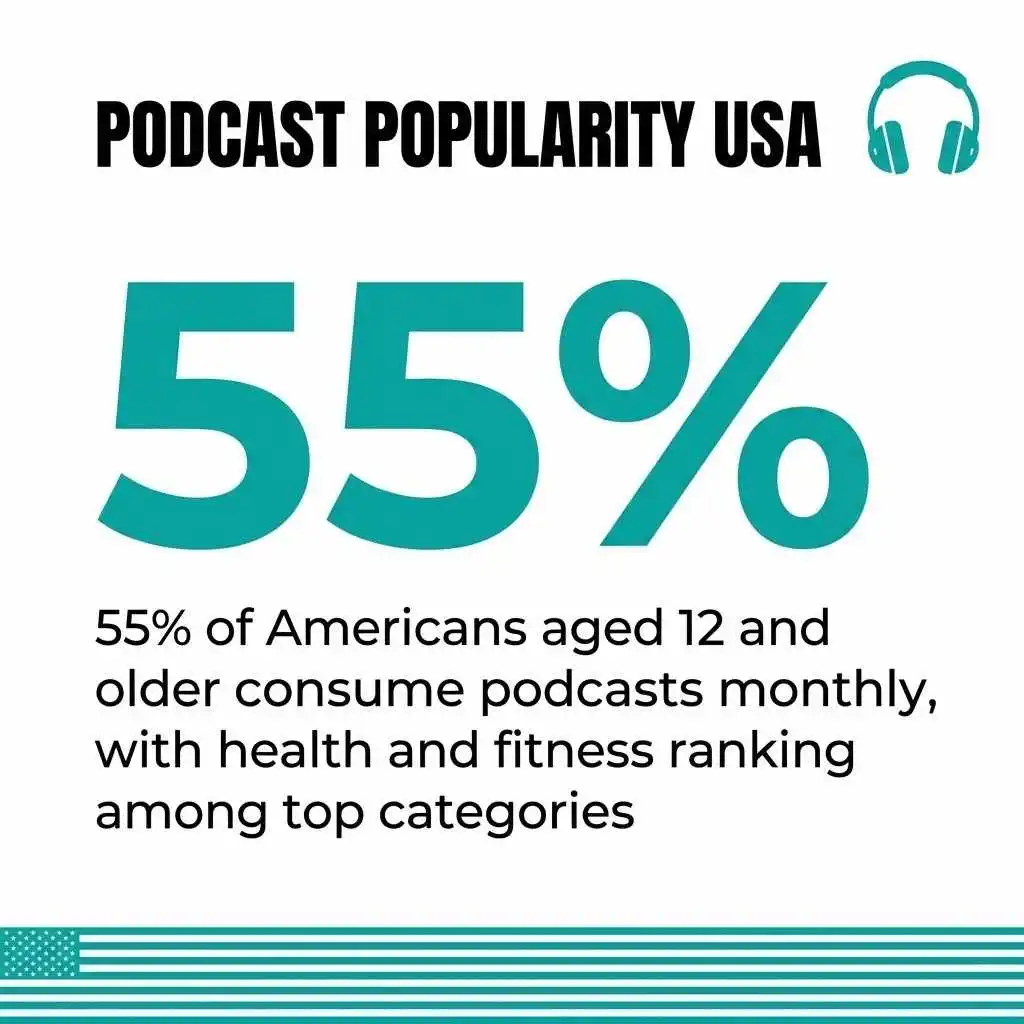
Personal trainers who listen to fitness podcasts access continuing education without formal course fees or rigid schedules. 55% of
Americans aged 12 and older consume podcasts monthly, and the health and fitness category ranks among the most popular globally.
Podcast episodes deliver expert interviews, research breakdowns, and case studies in 20-60 minute formats that fit between client sessions.
Trainers work irregular hours. Most podcasts release weekly episodes you can queue up and play when it suits your schedule. No logging into a platform at a set time. No prerequisites or assignments. Just ongoing professional development that runs in the background.
The content diversity matters too. You might need program design insights one week, client retention tactics the next, and nutrition protocol updates the week after.
Subscribing to several podcasts across training, business, and nutrition gives you a rotating education stream that covers most of what you need to stay current.
Podcasts also expose you to approaches outside your primary training style. If you specialize in strength work, a running-focused show might introduce periodization concepts you adapt for your lifters.
Cross-pollination of ideas happens naturally when you consume content beyond your niche.
Traditional continuing education requires blocking out time, often during peak earning hours. Podcasts solve this by delivering education during dead time. Driving to the gym, meal prepping on Sunday, warming up before your own training session, these moments become learning opportunities.
86% of podcast listening occurs on mobile devices, which means you're not tethered to a desk. Download episodes over WiFi, play them offline, and learn while you move through your day.
The format suits how trainers actually work. You're rarely sitting still for an hour. Audio content matches your lifestyle better than video courses or live webinars.
No single podcast covers everything a trainer needs. The strategy is to build a rotation of shows that collectively address your areas for development. Mix science-heavy podcasts with business-focused ones. Add a nutrition show and maybe something motivational or mindset-related.
This creates an informal curriculum that evolves with your needs. When you're launching an online coaching business, you lean into business and marketing podcasts. When you're refining program design, you prioritize training methodology.
Your podcast queue becomes a dynamic education tool shaped by your current professional challenges.
The Mind Pump Podcast delivers unfiltered training and nutrition discussion from four trainers with decades of combined coaching experience.
Hosted by Sal Di Stefano, Adam Schafer, Justin Andrews, and Doug Egge, the show covers strength training, muscle building, fat loss, and fitness industry critique with equal parts education and entertainment.
Episodes typically run 60-90 minutes and release multiple times per week. The format alternates between main episodes where the hosts debate training topics and shorter Q&A sessions that answer listener questions.
The conversational style makes complex topics accessible without dumbing them down.
What sets Mind Pump apart is the willingness to challenge fitness industry dogma. The hosts call out ineffective training trends, question supplement marketing, and push back against overly complicated protocols.
If you're tired of fitness content that regurgitates the same advice, this show offers a more critical perspective.
The practical application focus helps too. Most episodes include specific program adjustments, exercise modifications, or nutrition tactics you can test immediately. Theory gets discussed, but it always connects back to what works with real clients in real gyms.
Mind Pump works best for trainers who want debate and discussion rather than just information delivery. The hosts don't always agree with each other, which models the kind of critical thinking you need when evaluating new training methods for your clients.
Mind Pump is available on Apple Podcasts and Spotify.
The Huberman Lab Podcast translates neuroscience research into practical protocols for performance, sleep, stress management, and training adaptation. Hosted by Dr. Andrew Huberman, a neuroscience professor at Stanford School of Medicine, the show delivers research-backed strategies in detailed solo episodes and expert interviews.
Episodes typically run 90-120 minutes and release weekly on Mondays. The format is lecture-style, with Huberman explaining mechanisms before prescribing protocols.
Expect deep dives into topics such as optimizing sleep architecture, understanding training adaptation at the neurological level, and managing stress response systems.
For trainers, Huberman Lab offers the science underpinning why certain training, recovery, and nutrition protocols work. When a client asks why you program rest days the way you do, or how sleep affects their strength gains, this show gives you the research to back up your methods.
The protocols are specific and actionable. Huberman doesn't just explain that morning sunlight helps the circadian rhythm. He tells you how many minutes, what time of day, and what to do on cloudy days.
That level of precision translates well to coaching clients who need clear direction.
Fair warning: episodes are long and information-dense. You'll want to take notes or revisit key sections. This isn't background listening. It's a commitment, but one that pays off in a deeper understanding of how bodies adapt to training stress.
Start with episodes on sleep optimization, training adaptation, and nutrition timing. These foundational topics inform almost every coaching decision you make.
Later, add episodes focused on motivation and habit formation to address client adherence challenges.
Available on Apple Podcasts and Spotify.
The Strength Coach Podcast focuses on strength and conditioning, coaching methodology, and practical programming for fitness professionals.
Hosted by Anthony Renna, the show regularly features Michael Boyle and other experienced coaches discussing real-world training challenges, exercise selection, athlete development, and coaching systems.
Episodes typically run 45-60 minutes and blend interviews with industry experts and discussions on current coaching topics.
While business and gym ownership occasionally come up, the primary focus is on helping coaches improve their craft and stay current with developments in strength and conditioning.
Expect conversations on program design, movement quality, speed and power development, injury prevention, adult fitness, and coaching philosophy.
The show is particularly valuable for trainers who want to go beyond generic fitness advice and learn from high-level coaches.
Most episodes include practical coaching ideas you can apply immediately, whether that's a new programming concept, an exercise regression, a coaching cue, or an approach to working with a specific client population.
Keep notes as you listen and look for opportunities to test one new idea at a time.
Available on Apple Podcasts and Spotify.
The Stronger By Science Podcast breaks down exercise science research with a focus on strength training and muscle building.
Hosted by Greg Nuckols and Dr. Eric Trexler, the show examines recent studies, discusses training methodology, and answers listener questions about programming and nutrition.
Episodes are released monthly and run 90-150 minutes. The format is conversational but research-focused. Nuckols and Trexler discuss recent papers, debate training variables, and translate findings into practical programming adjustments.
If you want to stay current with strength training research without reading dozens of studies yourself, this podcast does the heavy lifting. The hosts have extensive research backgrounds and coaching experience, so they filter studies through a practical lens.
The level of detail appeals to trainers who want to understand not just what works, but why and under what conditions. When a study presents results that conflict with previous research, the hosts discuss methodological differences and how they affect practical application.
The show also includes monthly Q&A sessions where listeners submit training and nutrition questions. These segments often surface questions you've wondered about but haven't found clear answers to elsewhere.
After listening to discussions about training frequency, volume, or exercise selection research, you'll have an evidence-based rationale for your programming decisions.
This helps when clients question your methods or when you need to adjust programs based on individual response.
Available on Apple Podcasts and Spotify.
Ben Greenfield’s Boundless Life Podcast covers fitness, nutrition, strength training, longevity, metabolic health, sleep optimization, cognitive performance, and emerging health technologies. Ben Greenfield, a former professional endurance and triathlon athlete, interviews experts in exercise physiology, nutrition science, longevity research, and performance enhancement.
Episodes are released multiple times weekly and vary from 30-minute focused discussions to 2-hour deep dives. The format includes solo episodes where Greenfield shares protocols and interview episodes with researchers, coaches, and health practitioners.
This show ventures beyond conventional training and nutrition to explore emerging areas such as cold exposure, heat therapy, supplement protocols, and recovery technologies.
If you work with clients interested in optimizing every aspect of performance, Greenfield's content provides research-backed approaches to less mainstream tactics.
The guest roster is diverse, including PhDs, MDs, elite coaches, and entrepreneurs building health technology companies. Topics range from traditional strength and conditioning to metabolic health, sleep optimization, and cognitive performance.
Fair warning: some content leans toward the experimental end of fitness protocols. Approach with critical thinking. Not every tactic will suit every client, but exposure to emerging research helps you evaluate new methods as they enter mainstream fitness.
Focus on episodes that address gaps in your current knowledge base. If you're strong on training but weak on nutrition, prioritize those episodes. If recovery protocols are your blind spot, look for discussions on sleep, stress management, and tissue recovery.
Find it on Apple Podcasts and Spotify.
The Nutrition Diva's Quick and Dirty Tips delivers evidence-based nutrition information in short, focused episodes. Hosted by Monica Reinagel, a licensed nutritionist, the show answers common nutrition questions, debunks diet myths, and translates nutrition science for practical application.
Episodes run 10-20 minutes and release weekly. The short format makes this show ideal for quick learning between client sessions. Each episode tackles a single nutrition topic with research citations and practical takeaways.
For trainers who need to improve their nutrition knowledge without becoming registered dietitians, this show builds foundational understanding. Topics cover macronutrients, meal timing, supplement efficacy, diet trend analysis, and nutrition for specific goals like muscle building or fat loss.
Reinagel's approach is balanced and research-focused without being dogmatic. She acknowledges when research is unclear or conflicting and provides practical guidance despite uncertainty.
That's useful modeling for discussing nutrition with clients who've been exposed to contradictory diet information.
The show also addresses common client questions about popular diets, trending supplements, and nutrition claims they've seen on social media. Having research-backed responses to these questions improves your client communication.
Start with foundational episodes on macronutrients, energy balance, and meal timing. Then branch into topics relevant to your client base, whether that's sports nutrition, fat loss protocols, or nutrition for strength gain.
Find it on Apple Podcasts and Spotify.
The Dumbbells Podcast combines fitness education with comedy. Hosted by comedians Erin McGown and Ryan Stanger, the show explores training, nutrition, wellness, and fitness culture through a mix of personal stories, listener questions, and guest interviews.
Episodes run 45-60 minutes and are released weekly. The format mixes educational content with personal stories and humor. While the tone is casual, the information remains solid.
This show works well as a palate cleanser between more serious educational podcasts. It reminds you that fitness can be fun and that humor helps with client adherence. Not every conversation with clients needs to be intensely serious.
Topics range from exercise technique and program design to fitness culture critique and wellness trends. The hosts aren't afraid to poke fun at fitness industry absurdities, which provides perspective on the sometimes ridiculous aspects of the business.
The diversity of perspectives matters too. Having non-trainer hosts asking questions models the client perspective, reminding you how your clients might think about training topics.
Use this show when you need fitness content that doesn't require intense focus. It's education you can enjoy rather than study.
Available on Apple Podcasts and Spotify.
The Cut the Fat Podcast focuses on body composition, nutrition, and the psychology of weight loss. Hosted by Ray Hinish and Blythe Wagner, the show examines evidence-based approaches to fat loss, muscle retention, and metabolic health.
Episodes typically run 25 to 50 minutes and are updated twice weekly. The format features co-hosted deep dives into specific weight-loss principles, breaking down complex science into actionable strategies.
For trainers working with clients focused on body composition change, this show provides the nuanced understanding that separates effective coaching from generic diet advice.
Topics include metabolic adaptation, hunger management, diet adherence psychology, and training protocols that support fat loss while preserving muscle.
The research focus helps you understand why certain diet approaches work for some clients but not others. Hinish and Wagner discuss individual variation in metabolic response, which informs how you troubleshoot when a client isn't getting expected results.
The show also addresses behavioral aspects of eating, which often determine success more than the specific diet protocol. Understanding hunger signals, managing food environments, and building sustainable eating habits get thorough coverage.
Apply episode insights to refine the way you discuss nutrition with weight-loss clients. The show provides language and frameworks for explaining metabolic concepts without overwhelming clients with science.
Find it on Apple Podcasts and Spotify.
Perform with Dr. Andy Galpin explores the science of human performance, recovery, and health optimization. Hosted by performance scientist Dr. Andy Galpin, the show breaks down complex exercise physiology topics into practical lessons for coaches, athletes, and fitness professionals.
Episodes are released regularly and often run between 60 minutes and several hours. The format combines solo deep dives with expert interviews on topics including strength development, endurance training, recovery, sleep, cardiovascular health, and performance testing.
For trainers who want a deeper understanding of exercise science, this podcast delivers evidence-based information without losing sight of practical application. Galpin excels at translating research into coaching strategies that can be used with real clients.
Topics range from muscle growth and aerobic conditioning to fatigue management, longevity, and performance assessment. Many episodes explore the mechanisms behind training adaptations, helping coaches understand not only what works, but why it works.
The level of detail is higher than most fitness podcasts, making it particularly valuable for trainers who enjoy learning the science behind their programming decisions.
While some episodes are highly technical, Galpin consistently provides practical takeaways for coaches and athletes.
Focus on extracting one coaching principle or programming insight from each episode. The goal isn't to memorize every scientific detail, but to gradually improve your understanding of the factors that influence performance, recovery, and long-term client results.
Find it on Apple Podcasts and Spotify.
The Fitness Business Podcast focuses on the business side of growing a successful fitness career.
Hosted by Brian Keane, the show explores marketing, client acquisition, content creation, business development, and the challenges fitness professionals face as they grow beyond coaching alone.
Episodes typically run 20-60 minutes and are released regularly. The format includes solo episodes, expert interviews, and practical discussions on topics such as lead generation, personal branding, sales, and building a sustainable coaching business.
For trainers who already have solid coaching skills but want to attract more clients, improve retention, or increase revenue, this podcast provides actionable business advice without becoming overly technical. Keane combines his experience as a fitness entrepreneur with insights from industry leaders and successful coaches.
Topics frequently include social media marketing, content strategy, niche positioning, client communication, and adapting to industry changes, such as AI and other emerging technologies.
The conversations stay grounded in the realities of running a modern fitness business rather than focusing solely on theory.
The mix of short tactical episodes and longer interviews makes it easy to find content relevant to your current stage of business growth. Whether you're building an online coaching business or expanding an in-person practice, there are practical lessons you can apply immediately.
As you listen, identify one marketing or business strategy to test each month rather than trying to implement everything at once. Consistent improvements in client acquisition, communication, and service delivery often create bigger results than major business overhauls.
Find it on Apple Podcasts and Spotify.
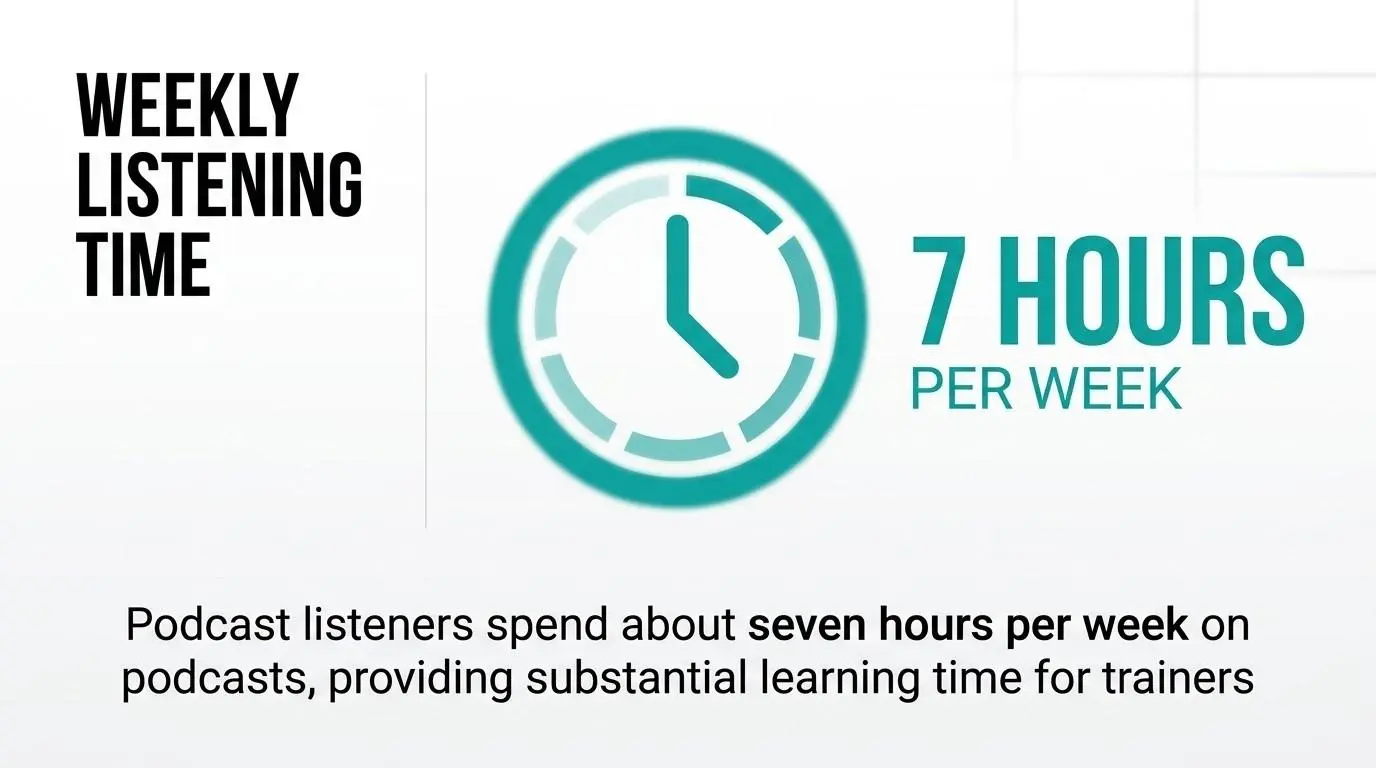
Building an effective podcast rotation requires matching shows to your professional development needs. Podcast listeners spend about seven hours per week on podcasts, which gives you substantial learning time if you're strategic about content selection.
Start by identifying your weakest areas. If program design is strong but business operations are weak, weight your podcast selection toward business content.
If nutrition knowledge needs improvement, prioritize nutrition-focused shows. Your podcast queue should address skill gaps, not just reinforce what you already know well.
Mix depth levels too. Combine research-heavy podcasts that require focused listening with lighter shows you can enjoy during less attentive moments.
You won't maintain focus through three consecutive 2-hour research podcasts during your commute. Balance intensive learning with more casual content.
Set up a rotation schedule rather than trying to listen to everything. Maybe Monday is strength training research, Wednesday is business tactics, and Friday is nutrition.
This prevents content overload and helps you actually apply what you learn before moving to the next topic.
The paradox of podcast abundance is that having too many subscriptions leads to listening to nothing. Be ruthless about pruning shows that aren't delivering value.
If you consistently skip episodes, unsubscribe. Your podcast queue should contain only shows you actually want to consume.
Use variable speed playback strategically. Most podcast apps allow 1.25x, 1.5x, or 2x speed. For information-dense content, 1.25x maintains comprehension while saving time. Save normal speed for content where delivery style matters.
Take implementation breaks. After finishing a particularly information-rich episode, pause new content until you've tested something you learned. Constant consumption without application leads to information overload without skill development.
Keep a simple note file for podcast takeaways. When an episode mentions a programming tactic, nutrition protocol, or business strategy worth testing, write it down with the episode reference.
This creates an actionable idea bank you can draw from when relevant situations arise.
Review your notes monthly. Some tactics will be immediately applicable, others you'll save for specific client situations. Having a searchable record of what you've learned makes podcast time more valuable than just passive listening.
For trainers looking to create their own valuable content for clients, explore these motivational content ideas and engagement strategies that work well in online coaching.
Podcasts complement but don't replace other professional development methods. They work best for maintaining current knowledge, exploring new topics, and staying connected to industry trends.
They don't substitute for formal certifications, hands-on coaching experience, or deep study of complex topics.
The medium's strength is accessibility and consistency. You can maintain learning momentum even during busy seasons when structured courses aren't feasible.
Regular podcast listening keeps fitness and business knowledge fresh without requiring dedicated study time.
Think of podcasts as your ongoing education maintenance layer. Formal education builds foundational knowledge. Books provide a deep dive into specific topics. Podcasts keep you current and expose you to diverse perspectives between those intensive learning periods.
The conversational format also models how to discuss complex topics in accessible ways. Pay attention to how good podcast hosts explain research or complicated concepts. That communication skill transfers directly to client education.
The gap between learning and implementation determines whether podcast time improves your coaching. After hearing a useful tactic, schedule time to test it within the week.
That might mean adjusting a client's program, trying a new communication approach, or implementing a business system.
Small, immediate applications beat delayed large implementations. Don't wait until you've consumed ten episodes on a topic before acting. Test ideas incrementally as you learn them.
This creates a feedback loop where podcast content informs practice, and practice clarifies what additional knowledge you need.
Share what you learn with other trainers too. Discussing podcast content with colleagues deepens understanding and surfaces applications you might miss alone. Consider forming an informal study group where trainers share key takeaways from their podcast listening.
As you refine your coaching approach based on podcast insights, ensure you're using effective delivery systems for your clients. Stay up to date on current fitness trends and explore social media strategies that complement your improved knowledge.
The best fitness podcasts can help you improve your coaching skills, stay current with industry trends, and discover new ideas for serving clients more effectively.
Whether you're looking to deepen your training knowledge, strengthen your nutrition coaching, or grow your business, the key is to focus on content that's relevant to your current goals.
Choose a few podcasts that address your biggest challenges, listen consistently, and apply what you learn. A single idea implemented well is often more valuable than hours of passive listening.
Ready to deliver a better coaching experience to your clients? PT Distinction gives you everything you need to run your online and hybrid coaching business in one place, from program delivery and habit tracking to client communication and progress reporting.
Start your free 1-Month trial and see why thousands of trainers worldwide trust PT Distinction to power their coaching.
Ready to join the family?
We'll get you up and running in no time. Start with our zero-risk free trial and build your personal training empire today.