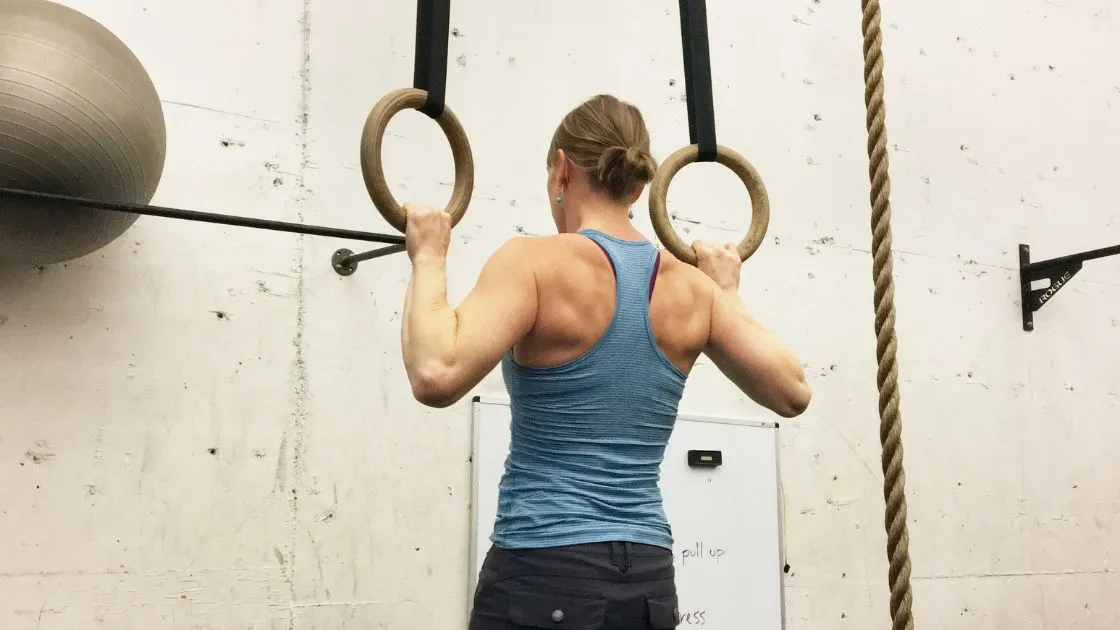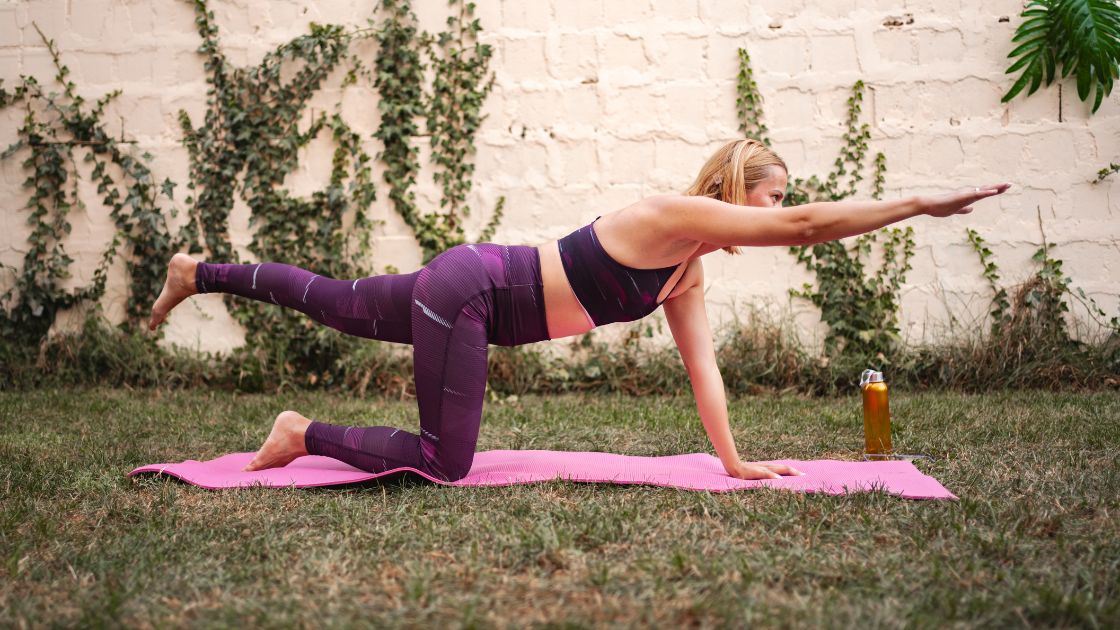


Strength training is any form of exercise that uses resistance to build muscle strength, increase muscle mass, improve bone density, and reduce the risk of chronic disease. Beginners can start with bodyweight exercises, dumbbells, resistance bands, or gym machines.
According to the CDC's physical activity guidelines, adults need at least 150 minutes of moderate-intensity activity and two days of muscle-strengthening activity each week.
The American College of Sports Medicine's updated Position Stand confirms that any amount of resistance training produces measurable improvements in strength, muscle size, power, and physical function.
Most beginner clients overthink this. They picture heavy barbells, crowded weight rooms, and complicated split routines. The reality is simpler: a solid strength foundation takes a pair of dumbbells, a clear plan, and two or three sessions a week.
This guide provides a framework for designing strength-training workouts for your beginner in-person or online personal training clients.
New clients often show up with a fuzzy idea of what strength training actually involves, so it helps to have a simple explanation ready to go.
Here's the core of it: strength training is any form of exercise that applies progressive resistance to muscles and connective tissue, forcing the body to adapt by getting stronger and adding lean mass.
Keep the sources of resistance concrete when you're walking a client through this. Their body weight counts. So do dumbbells, kettlebells, resistance bands, barbells, and cable machines.
The mechanism is the same across all of them: apply a load, recover, repeat with slightly more challenge over time. That last part is worth emphasizing, since progressive overload is what separates a real strength program from a client just moving around the gym.
Clients will also hear strength training referred to as resistance training or weight training. The terms overlap considerably, so it's worth telling new clients upfront that you'll use them interchangeably. It heads off confusion later when the terminology shifts mid-conversation.
The ACSM's landmark resistance training Position Stand makes one point clearly: any amount works. Beginner clients do not need a perfect program on day one. They need a starting point.
The evidence for strength training goes well beyond aesthetics. It touches how long clients live, how their mood holds up day to day, and how resilient they are to everyday illness.
Strength training reduces all-cause mortality risk by 15%, cardiovascular disease mortality risk by 19%, and cancer mortality risk by 14% compared to doing no resistance training at all, according to a large-scale analysis published in the American Journal of Preventive Medicine.

That 19% reduction in cardiovascular mortality is the number that tends to stop people mid-scroll.
Heart disease is consistently among the leading causes of death in the US, and most people think cardio is the only way to address it. Strength training belongs in that conversation too.
The benefits do not stop at the heart. Strength training helps preserve and build muscle mass as the body ages, since lean muscle and strength naturally decline over time.
It also supports bone density, reducing the risk of osteoporosis later in life. These are not minor quality-of-life perks. They are compounding health returns that start accumulating from the first session.
Mental health is part of the picture too. A 2025 systematic review and meta-analysis covering 26 studies and 2,681 participants found exercise produced a large beneficial effect on depressive symptoms.
Exercise also reduces short-term feelings of anxiety. For clients managing stress, sleep issues, or low mood, a strength program is genuinely useful, not just physically.
One more data point worth flagging: adults who met both aerobic and muscle-strengthening guidelines were about half as likely to die from flu and pneumonia as those who met neither, per CDC physical activity research. Immune resilience from regular training is an underrated benefit that rarely makes the headline list.
Beginners should strength train two to three days per week, with at least one full rest day between sessions, to allow muscles adequate time to recover and adapt.
Two days per week already satisfies the muscle-strengthening component of the current Physical Activity Guidelines for Americans.
That is not a low bar. Just 24.3% of US adults meet both the aerobic and muscle-strengthening guidelines, according to a 2022 national health survey. Starting clients with two sessions per week already puts them ahead of most adults.
Three sessions per week is a solid target for beginners who want slightly faster progress without overloading recovery. A Monday, Wednesday, Friday structure works well. So does Tuesday, Thursday, Saturday. The specific days matter less than the rest gaps between them.
Push back on the urge to train every day. More is not better at the beginner stage. Muscles grow during recovery, not during the workout itself. Two or three quality sessions beat five rushed ones.
Starting strength training safely requires a brief health check, a movement screen, and an honest first session focused on learning technique rather than lifting heavy.
PT Distinction's built-in Assessments make this easy to standardize across your client base.
Use the movement screen to log baseline flexibility, strength, and balance scores before session one, then repeat at 8-week intervals so clients can see exactly how far they've come.
The data lives alongside their program, no separate spreadsheet.
If a client has a pre-existing condition, is pregnant, is over 65, or has been inactive for an extended period, a conversation with a doctor before starting is a sensible step, not an obstacle.
A fitness and lifestyle assessment up front makes it easy to flag these clients early and document readiness before the first session. Most clients get clearance quickly and can begin within days.
A goal shapes everything downstream. Building muscle mass calls for different rep ranges than improving functional strength for daily life. Losing body weight while preserving muscle requires a different caloric context. Have the client write the goal down before choosing exercises.
Common beginner goals include building a general strength foundation, improving posture and body composition, supporting bone density, or complementing an existing cardio routine. Any of these is valid. Help the client pick one and design the program around it.
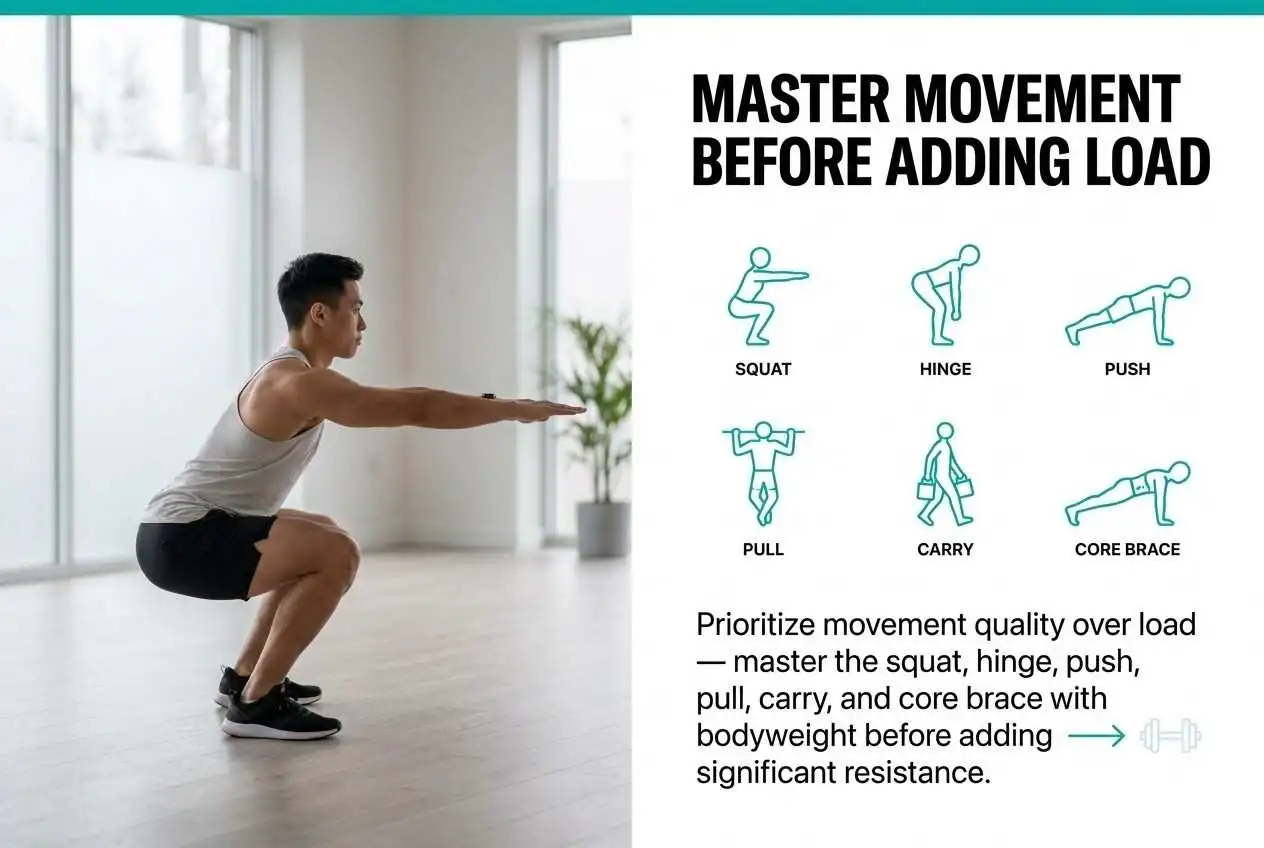
Every strength training program for beginners should prioritize movement quality over load. The six foundational movement patterns are: squat, hinge, push, pull, carry, and core brace. Master these with body weight or very light resistance before adding significant load.
Proper form is not just about safety. It determines which muscles actually do the work. A poorly performed squat shifts stress from the glutes and quads onto the knees and lower back.
Getting the pattern right first means every subsequent set is more effective, not just safer.
For trainers building online training programs, this movement-first approach is especially important to embed in client onboarding before any progressive loading begins.
Beginners can start strength training with no equipment at all, using bodyweight exercises to build a functional strength base before progressing to external resistance, such as dumbbells, kettlebells, or resistance bands.
The ACSM's updated resistance training guidelines confirm that elastic bands, bodyweight exercises, and home-based routines produce marked benefits in strength, hypertrophy, and physical function.
Clients do not need a gym membership to start. That said, some basic equipment expands options significantly once bodyweight movements become easy.
Here is a practical equipment progression for beginners:
A record 77 million Americans held a gym or health club membership in 2024, according to the Health & Fitness Association.
Access to gym equipment is increasingly common. But beginners who cannot or prefer not to join a gym have no real disadvantage during the first several months of training.
The best strength-training exercises for beginners are compound movements that target multiple muscle groups simultaneously, building functional strength and maximizing the return from limited training time.
Isolation exercises like bicep curls have their place, but they are not where beginners should spend most of their sets. Compound movements like squats, push-ups, lunges, and rows build the foundation.
They also burn more energy per set, which matters for clients with body composition goals. Let’s look at a few examples with instructional cues.
Squats train the quads, glutes, hamstrings, and core simultaneously. Stand with feet shoulder-width apart, toes slightly out. Lower until thighs are parallel to the floor, keeping chest up and knees tracking over toes.
Drive through the heels to stand. Beginner modification: squat to a chair or box to control depth.
Lunges challenge single-leg stability and target the same muscle groups as squats, with added balance demands. Step one foot forward, lower the back knee toward the floor, then return to standing.
Beginners should master stationary lunges before adding a walking variation.
Glute bridges isolate the glutes and hamstrings while carrying a very low risk of injury. Lie on your back, feet flat on the floor, and drive hips toward the ceiling. Hold for two counts at the top.
Progress to single-leg or weighted variations when the movement becomes easy.
Push-ups train the chest, shoulders, and triceps using body weight as the load. Start with hands slightly wider than shoulder-width. Lower the chest to the floor with elbows at roughly 45 degrees from the body.
Beginner modification: perform from the knees or elevate hands on a bench to reduce load.
Dumbbell rows target the back muscles, including the lats, rhomboids, and rear deltoids. Place one knee and hand on a bench for support. Hold a dumbbell in the opposite hand, pull it toward the hip, and lower with control.
A strong back is the most undertrained area in most beginner programs.
Overhead press trains the shoulders and triceps. Start with dumbbells at shoulder height, press overhead until arms are fully extended, then lower with control. Keep the core braced throughout to avoid arching the lower back.
Planks build core bracing strength, which transfers directly to safer squats, deadlifts, and presses. Hold a straight-arm or forearm plank with the body forming a rigid line from head to heels. Begin with 20- to 30-second holds and build from there.
For trainers who work with strength athletes, a deeper dive into programming these movement patterns is available in this online guide to coaching strength athletes.
A beginner strength training workout plan works best as a two-phase progression: four weeks of bodyweight-only training to build movement competency and muscular endurance, followed by four weeks of light dumbbell loading to start building real strength.
If you're building these programs inside PT Distinction, the AI Program Builder cuts this process to under 20 seconds. Set the client's goal, select their equipment, and the AI generates a complete structured plan ready to review, adjust, and assign
This keeps the equipment barrier at zero for the hardest part, the first month, and sets clients up for genuine progressive overload once the patterns are grooved.
This phase is about movement competency and muscular endurance, not load. Two to three full-body sessions per week, two to four sets per exercise, 15 to 20 reps per set, and 45 to 60 seconds of rest between sets.
The higher rep range gives clients more repetitions to groove each pattern and still provides a real training stimulus without added resistance.
Where a movement needs a small amount of load to make sense, such as a row or a press, a filled water bottle works as a placeholder. A 1.5-liter bottle weighs about 3.3 lbs, which is plenty for pattern work in week one.
For exercises where 15 to 20 clean reps aren't yet realistic, such as push-ups for most beginners, regress the exercise rather than cutting the rep range. Elevated push-ups with hands on a kitchen counter or a sturdy table allow a client to hit the full range of motion with good form.
Day 1 (Monday)
Day 2 (Wednesday)
Day 3 (Friday)
Once clients move through the Week 1-4 sessions comfortably, and 20 reps with good form stops being a challenge, it's time to introduce external load and shift into a strength-and-hypertrophy rep range: two to four sets per exercise, eight to twelve reps per set, and 60 to 90 seconds of rest between sets.
Those rep ranges sit in the sweet spot for building both strength and muscle mass in beginners. Eight to twelve reps at a challenging weight generate sufficient mechanical tension to stimulate adaptation without requiring the near-maximal loads used by advanced lifters.
Here is the sample three-day full-body program for this phase:
Day 1 (Monday)
Day 2 (Wednesday)
Day 3 (Friday)
Progressive overload is the engine that makes this work, and the jump from Week 1-4 to Week 5-8 is itself the biggest overload event in the whole eight weeks: bodyweight to additional external load.
Without progressive overload, the body adapts to the current demand and stops changing. The body is efficient like that. It only invests in new muscle when it has to.
For a structured look at how personal trainers build and schedule these sessions for clients, the workout plan guide covers the full design process.
A proper warm-up before strength training and a cool-down afterward reduce injury risk, improve performance during the session, and support faster recovery between workouts.
Beginners often skip warm-ups to save time. This is the single most predictable way to get hurt in the first month of training. Cold muscles and connective tissue are less pliable and more prone to strain, particularly in compound movements like squats and deadlifts.
A five- to ten-minute warm-up is crucial, but it does not need to be complicated.
Start with light cardiovascular movement: a brisk walk, light jog, or five minutes on a stationary bike. Follow that with dynamic stretches and mobility drills targeting that session's muscle groups.
For lower body sessions, hip circles, leg swings, and bodyweight squats work well. For upper body sessions, shoulder rotations, arm circles, and band pull-aparts prepare the joints for load.
Skip static stretching before lifting. Holding a muscle in a lengthened position for 30 seconds or more before training can temporarily reduce force production. Save static stretches for the cool-down.
Delayed onset muscle soreness (DOMS) is normal for beginners and typically peaks 24 to 48 hours after a session. It is not an injury. It signals that the muscles were challenged sufficiently to trigger adaptation.
Light movement, walking, or gentle stretching on rest days can help manage it without delaying recovery.
Sleep is where most muscle repair actually happens. Seven to nine hours per night is not optional for anyone serious about building strength.
The most effective way to avoid injury in strength training is consistent application of proper form, appropriate load selection, and structured recovery, not just occasional caution.
A 2025 systematic review of 16 randomized controlled trials found that strength-based injury prevention programs reduced the relative risk of sports injuries by 30% (relative risk 0.70). That is a meaningful reduction, and it comes from doing the basics well.
Loading too fast is the primary culprit. Beginners feel strong in the first few weeks, add weight quickly, and the connective tissue cannot keep pace with the nervous system's rapid strength gains. Tendons and ligaments adapt more slowly than muscles. Add load conservatively.
Lower back pain in beginners almost always traces back to one of two things: a rounded back during hip-hinge movements, or an excessively arched lower back during pressing movements.
Both are form issues, not structural problems. Fix the pattern and the pain typically resolves.
Knee pain during squats and lunges usually means the knees are collapsing inward, a pattern called valgus collapse. Cueing the knees to track over the middle toe and strengthening the hip abductors solves it in most cases.
Shoulder pain in beginners often comes from overhead pressing with the elbows flared too wide, or from rows performed with a shrugging motion that loads the traps rather than the intended pulling muscles.
Check elbow angle and shoulder position before increasing load.
Sharp, acute pain during a movement is a signal to stop. Dull soreness after training is normal. Sharp pain during training is not. Any pain that persists beyond a week or worsens with rest warrants a conversation with a sports medicine professional or physiotherapist.
Older adults, those with chronic conditions, and anyone returning from injury should work with a qualified personal trainer who holds a credential such as Corrective Exercise Specialist or a similar certification, at least initially, to ensure the program design matches their specific needs.
For trainers building programs for these populations, this resource on client workout scheduling covers periodization and session planning in more detail.
Tracking strength training progress with a simple training log is the most reliable way to maintain motivation and confirm that progressive overload is occurring over time.
Have clients write down what they did. Every session. The weight, the reps, the sets. It takes about 90 seconds and gives them a record they can actually use to make decisions. Without it, beginners tend to repeat the same session indefinitely without realizing it and wonder why nothing is changing.
Progress in the early months of strength training can be rapid. Beginners experience what coaches call “newbie gains,” a phase where the nervous system adapts quickly and strength improves almost weekly.
These early gains are motivating but also temporary. The rate of progress slows after a few months, which is when consistent tracking becomes even more important to avoid stalling.
A training partner or coach adds accountability that is hard to replicate on one's own. If in-person accountability is not available, a structured online coaching program with check-ins, habit tracking, and logged workouts can achieve a similar effect.
PT Distinction's Habits feature makes this concrete. Set daily or weekly training, nutrition, and lifestyle targets for each client, and the app tracks completion automatically. Clients see their streak building.
You see adherence rates across your whole client list. Accountability becomes part of the system, not a conversation you have to repeat every week.
For trainers building those systems for clients, this guide covers goal-setting and progress tracking.
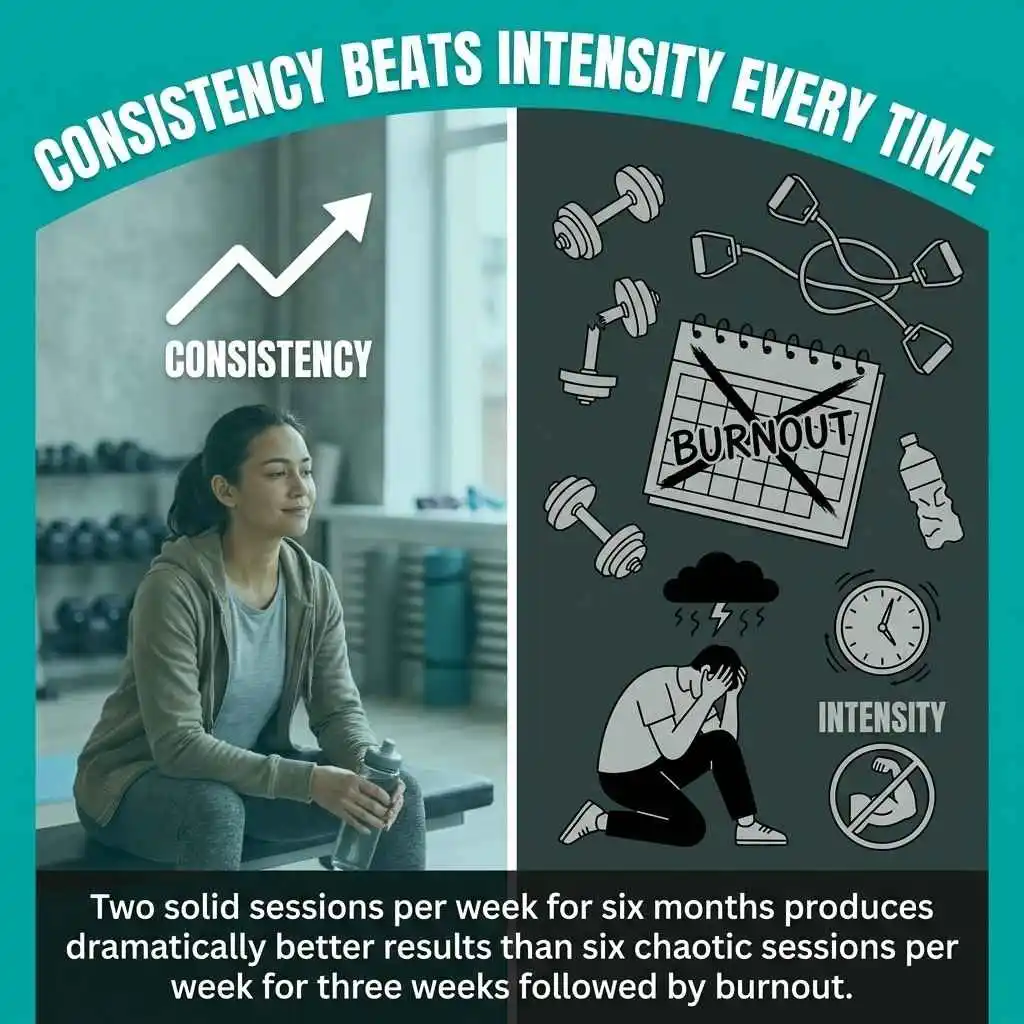
Consistency beats intensity every time at the beginner stage. Two solid sessions per week for six months produce dramatically better results than six chaotic sessions per week for three weeks followed by burnout.
Strength training for beginners does not require a perfect program. It requires a clear starting point, two to three sessions per week, attention to proper form, and enough patience to let the adaptations compound.
The research is clear that any amount of resistance training produces measurable health benefits. The only session that does not work is the one that does not happen.
Ready to deliver structured, results-driven strength programs to your clients at scale?
PT Distinction gives you everything you need to design, deliver, and track client training in one place, from workout programming and habit coaching to progress reporting and client communication.
Start your free 1-Month trial and see why thousands of trainers worldwide use PT Distinction to power their online and hybrid coaching.
Ready to join the family?
We'll get you up and running in no time. Start with our zero-risk free trial and build your personal training empire today.